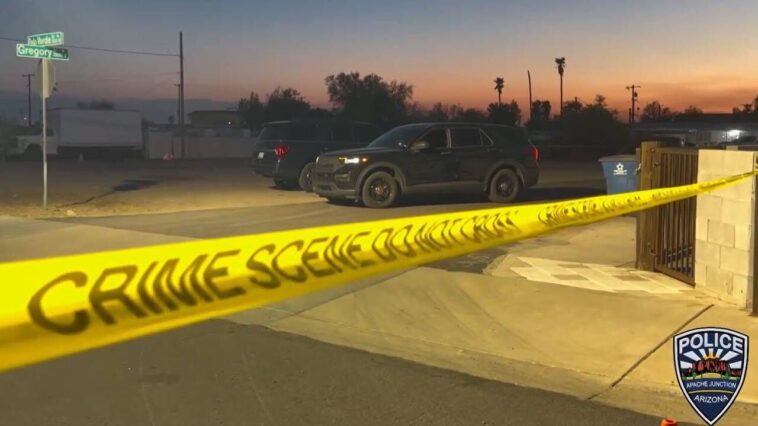

Reflecting on Recent Crime Reports in Apache Junction
The town of Apache Junction recently found itself at the center of a local controversy over a series of thefts and burglaries reported between May 20 and May 24. Reviewing the police reports released by the Apache Junction Police Department, residents and local leaders are now faced with many tricky parts of reconstructing what happened during that period. This opinion piece takes a closer look at the events, evaluates what they mean for the community, and explores how local journalism plays a key role in keeping democracy transparent and vibrant.
Assessing the Scope of Reported Incidents
The Apache Junction community has always prided itself on its close-knit nature and mutual trust. However, the recent string of reported incidents—with four thefts and three burglaries in a matter of five days—raises concerns that stretch beyond numbers and directly impact community well-being. The reports, which include a residential burglary early on May 20 in the 9400 block of South Saguaro, highlight a mixed pattern of simple and compound crimes that residents need clarity on.
As we take a closer look at these events, a few points become especially evident:
- Residential Invasions: A breach of home security, which disrupts the very sense of safety residents depend on.
- Theft Reports: Items ranging from small personal belongings to high-value components may have been stolen, making everyday security feel off-putting.
- Burglaries: These are more complicated pieces of problems involving forced entry, often leaving property owners with questions regarding both safety and insurance claims.
Understanding these various occurrences, their trends, and their impact on community spirit is essential for residents who want to figure a path towards restoring confidence in local security systems.
Understanding Apache Junction’s Crime Incident Trends
Crime Data and Local Law Enforcement Reports
In our effort to get into the details of these incidents, it is important to note how crime data is gathered, reported, and disseminated to the public. Local law enforcement, such as the Apache Junction Police Department, is hard at work trying to manage your way through a set of crimes that can at times seem overwhelming and full of problems.
A summarized table below illustrates the crimes reported over a five-day period along with some fine points that can help us understand this troubling pattern:
| Date | Type of Incident | Location | Time Reported |
|---|---|---|---|
| May 20 | Residential Burglary | 9400 block of South Saguaro | 10:53 a.m. |
| May 21 – 24 | Thefts and Burglaries | Various locations | N/A |
This table not only breaks down the timeline of events but also serves as a tool that illustrates how local communities and law enforcement agencies must work together to sift through the tangled issues arising from such crime waves.
Examining the Challenges Faced by Law Enforcement
First Responders and Their Duty in Troubled Times
Law enforcement officers in Apache Junction face numerous challenges on a daily basis. From dealing with straightforward thefts to tackling burglaries that involve more nuanced forced entry, these officers have a responsibility not only to respond swiftly but also to find your way through the confusing bits of criminal behavior.
These challenges can be outlined as follows:
- Rapid Response: In critical moments, officers must work quickly while also ensuring that evidence is preserved for further investigation. This balancing act is often nerve-racking and intense.
- Community Trust: In periods where crimes seem to accumulate, maintaining public trust becomes particularly super important. Law enforcement must be transparent about their processes and share updates to reassure the community.
- Resource Allocation: Limited resources, including manpower and technological support, can complicate efforts to catch offenders. Prioritizing incidents where public safety is most at risk requires a tactical approach that frequently involves some complicated pieces of decision-making.
Even as local officers navigate an ever-changing set of tricky parts involved in their daily duties, the community is reminded of the indispensable role that public safety officials play in preserving order and upholding the law.
Community Impact: More Than Just Crime Numbers
How Crime Affects Neighborhood Trust and Daily Life
For residents of Apache Junction, hearing about thefts and burglaries sends ripples of concern through the community—even if the crimes may appear isolated at first glance. The local impact is more than just a worry about stolen belongings; it’s a disruption of the fabric that knits together a supportive neighborhood.
Some of the immediate community concerns include:
- Sense of Security: The knowledge that a neighbor’s home was breached makes everyone ask themselves: “Is my home also at risk?” This becomes particularly intimidating as perceptions of bending local safety can create a cycle of distrust.
- Property Value Concerns: Crime tends to have an indirect influence on home values. Potential buyers might be put off by neighborhoods where repeated thefts and burglaries are a problem, leading to economic ripples in the community.
- Community Policing Concepts: Effective community policing programs—where residents and law enforcement work together to safeguard neighborhoods—can help soothe fears and build bridges. The task of rebuilding that trust, however, is a nerve-racking challenge in the face of continuing crimes.
Residents are encouraged to engage with local neighborhood watch programs, attend community meetings, and support initiatives that help boost local security. By collectively addressing these issues, communities can mitigate feelings of vulnerability and regain confidence in their safety systems.
Local Journalism and Its Essential Role in Keeping Communities Informed
The Power of Unbiased, Independent Reporting
Local journalism serves as a bridge between law enforcement updates and community understanding. Independent media outlets, such as the ones in Apache Junction, are super important in ensuring that residents get access to unbiased, detailed reporting on events that affect their daily lives.
In our rapidly evolving digital era, where information can sometimes be skewed or incomplete, independent journalism helps provide the necessary context through:
- Clear Reporting: Presenting events in a straightforward manner by covering the fine points of each incident that occurred.
- Balanced Perspectives: Offering opinions and analysis from various stakeholders, including law enforcement, victims, and community leaders to paint a clearer picture of what is happening on the ground.
- Encouraging Official Responses: When news outlets hold local authorities accountable through detailed inquiries and critique, they help drive change in practices and strategies for better handling local crimes.
This dedication to thorough, fair reporting is a constructive counterbalance to sensationalized news and helps residents dig into the details without feeling overwhelmed by conflicting stories.
Independent Media: A Pillar of Democracy in Local Communities
Why Supporting Local Journalism Matters
In today’s information landscape, independent media outlets do more than just report events—they are the watchdogs that ensure public officials remain accountable while giving voice to community concerns. The experience in Apache Junction demonstrates how critical it is to maintain diverse sources of news and to keep channels of communication open between the people and those tasked with protecting them.
Some compelling points about the role of independent media include:
- Transparency: By providing unfiltered, local reporting, residents can find their way through the tangled issues of crime and public safety with a fresh perspective on police activity and community challenges.
- Community Engagement: Local newspapers and online journals allow residents to post their opinions, share experiences, and connect with peers in a shared environment of dialogue and discovery. This process helps drive improvements both in the community and in law enforcement approaches.
- Responsive Reporting: Editorial teams are continuously at work to follow up on stories, ensuring that ongoing investigations and subsequent policy changes receive the appropriate attention. This layering of thorough, editorial commentary enhances the small distinctions between what is reported and what is experienced firsthand.
With communities facing off-putting and at times nerve-racking crime incidents, the role played by independent journalism anchors society to its democratic values. It is incumbent on residents to support these platforms as they continue to provide clarity in times of confusion.
The Role of Digital Subscriptions and Community Funding
Funding Unbiased Journalism in the Modern Age
The evolution of news platforms has seen many publications move toward subscription-based models that offer both free and premium content. For Apache Junction residents, subscribing to a digital edition might seem like a small step, but it is a crucial part of ensuring that balanced and well-researched stories remain accessible to all.
Many media outlets are now using a dual approach:
- Freemium Content: Readers receive a limited number of free stories per month, allowing them to engage with local news while encouraging subscription for access to premium, in-depth stories.
- Subscription Support: By contributing a modest fee—often less than 20 cents a day—subscribers help fund full investigatory reports, local events coverage, and rigorous editorial standards. This financial support matters super important because it preserves independent journalism.
- Digital Engagement: The combination of modern digital platforms and traditional community values creates an environment where journalism can continue to serve its role as an essential part of democracy. The sharing of local updates and investigative content lets residents get into the small twists of every incident unfolding in their area.
This model of digital subscriptions ensures that high-quality news isn’t just limited to blockbuster stories but extends into the everyday nitty-gritty of community life—helping residents sort out what truly matters from what is simply noise.
Community Involvement and Collaborative Efforts
Building Safer Neighborhoods Through Collective Action
Addressing community safety is not solely reliant on law enforcement and media reports. Residents play a crucial part in shaping a secure environment by working together and sharing insights on local issues. When a series of crimes rattles the community, citizens have the opportunity to get involved with neighborhood watch programs, local meetings, and community outreach initiatives.
This collective approach can be broken down into several actionable steps:
- Neighborhood Watch Programs: Setting up local patrol groups or volunteer committees can help keep a close eye on suspicious activities. These programs are a simple yet effective way to build vigilance together.
- Community Meetings: Regular town halls or public forums provide platforms for residents to air concerns and suggest potential community actions. Such meetings help clear up the confusing bits by exchanging direct observations and experiences.
- Collaborative Law Enforcement: Initiatives where police and community members come together can lead to better trust and cooperation. When law enforcement and residents combine their efforts, the probability of solving and even preventing incidents becomes more realistic.
Organizing these efforts doesn’t just address the immediate risk; it also builds connections that are essential in times when crime trends seem intimidating. Getting actively involved can make a community more resilient and less susceptible to the ripple effects of local crimes.
Evaluating the Broader Implications for Public Policy
Crime Prevention Strategies and Community Policy
The recent wave of thefts and burglaries in Apache Junction forces local policymakers to reassess current public safety strategies. As officials work to find your way through tricky parts of the reported incidents, there are several critical areas where policy improvements may be considered.
Some of the policy considerations include:
- Enhanced Surveillance Measures: Installing additional security cameras or community surveillance systems can help reduce the probability of crime in vulnerable neighborhoods. This approach aims to deter potential offenders and support law enforcement with real-time data.
- Public Awareness Campaigns: Educating residents on basic security protocols—such as installing alarm systems, securing entry points, and reporting suspicious behavior—can minimize the risks associated with theft and burglary. Clear, concise guidelines help the community steer through the tangled issues with confidence.
- Resource Allocation for Police Departments: Increasing the availability of personnel and updating technology within law enforcement agencies can help address the nerve-racking challenges associated with managing a sudden uptick in crime. This investment not only benefits crime prevention but also ensures that officers are supported on the ground while performing their duties under pressure.
- Community Policing Initiatives: Programs that link police officers with residents on a regular basis help foster a sense of teamwork. These relationships encourage open communications, so community feedback can be used constructively to improve public safety initiatives.
These proposals underscore the idea that while criminal incidents are by nature nerve-racking, they also present opportunities for reform. Public policies aimed at reducing crime, improving community-law enforcement engagement, and bolstering local economic conditions represent a concerted effort to drive positive change in towns like Apache Junction.
The Psychological and Social Impact of Crime
Coping with the Emotional Fallout from Local Crime Waves
Beyond the tangible consequences such as property loss or financial setbacks, the series of thefts and burglaries leave behind an emotional toll on residents. The psychological impact can be quite significant—increasing levels of anxiety, diminishing residents’ overall feeling of safety, and instigating a climate of collective suspicion.
Residents in affected areas often face several challenges:
- Anxiety and Uncertainty: Even incidents that might seem minor in isolation can accumulate into a nerve-racking pattern. The resulting stress is not just about replacing stolen items; it’s also about the profound impact on residents’ daily peace of mind.
- Distrust Among Neighbors: Crime can sometimes sow the seeds of mistrust, especially when residents begin to question whether everyone is watching out for one another. This erosion of trust can have ripple effects on broader community relationships.
- Social Isolation: In some cases, the fear of criminal activity may prevent community members from engaging in public spaces, thereby reducing the informal social interactions that strengthen community bonds.
To address these emotional challenges, community leaders and mental health professionals often recommend several strategies:
- Hosting community gatherings that focus on resilience and mutual support.
- Encouraging dialogue between residents and law enforcement to smooth over any distrust.
- Offering local workshops on personal security and stress management as an empowering step toward reclaiming personal control.
By actively addressing the emotional toll of crime, residents can restore some of the assurance that is lost when unsettling news dominates the headlines. These community-led interventions ultimately work hand-in-hand with law enforcement efforts to ensure that the community remains united despite the challenges.
The Intersection of Crime Reporting, Public Policy, and Community Empowerment
How Public Discourse Shapes Local Development
The continuous cycle of reporting, discussion, and policy reform forms the backbone of responsive local governance. Emergency updates, like the ones regarding thefts and burglaries in Apache Junction, encourage residents to take a closer look into both the direct and indirect impacts of crime in their locality.
Key components in this process include:
- Informed Debate: When crime reports spark community discussions, it is essential that multiple voices are heard. Public forums and debates help capture the small distinctions in opinion between law enforcement, local government officials, and residents.
- Transparent Communication: Clear, consistent, and honest reporting—whether via local journalism or official press releases—works wonders in ensuring that the public remains informed. Such transparency is critical in maintaining trust between the community and those at the helm of public safety.
- Policy Responsiveness: When citizens voice their concerns about the confusing bits of crime data or the off-putting nature of local criminal activity, policymakers are pressured to respond with thoughtful reforms and action plans. This two-way communication can result in gradual but steady improvements to local safety protocols.
The interplay among these factors demonstrates that resolving community safety issues is not solely about increasing patrols or installing cameras. Instead, it involves a collective effort where every layer of society—from media outlets to governmental bodies to individual residents—plays a role in building a more secure and responsive community.
Looking Ahead: Strategies for a Safer Apache Junction
Community-Driven Solutions to Crime Prevention
As we look to the future, the path to a safer Apache Junction likely lies in a combination of enhanced law enforcement, proactive community involvement, and the continued support of independent local journalism. Building a safer environment will involve addressing the complicated pieces and subtle parts of crime prevention head-on.
Strategies that could be implemented include:
- Enhanced Resident Education: Offering workshops and seminars on home safety and personal security can empower the public to take simple yet effective steps to prevent crimes from happening.
- Community Resources and Reporting Tools: Investing in neighborhood apps or hotlines that allow residents to report suspicious behavior in real time can streamline communication between citizens and law enforcement. Such tools also provide an immediate channel for sharing updates and receiving guidance.
- Collaborative Safety Initiatives: Creating a network where local businesses, schools, law enforcement, and community groups can coordinate may lead to collaborative safety programs. These initiatives not only build strong ties among various community sectors but also help in addressing the problem from multiple angles.
Below is an example of a basic action plan that can guide community discussions and policy brainstorming sessions:
| Action Area | Proposed Initiative | Key Stakeholders |
|---|---|---|
| Education | Home safety workshops & security seminars | Local police, community centers, and schools |
| Communication | Development of a community reporting app | Local government and technology partners |
| Engagement | Monthly town hall meetings | Residents, local authorities, and media outlets |
This type of coordinated strategy would allow residents to not only react to crime but also actively participate in making their community a better and safer place. Moreover, it gives local news media more context and material to share, which in turn supports an informed dialogue between all parties.
Balancing Optimism and Realism in Crime Reporting
Finding Your Way Through Difficult Discussions
It is easy to feel overwhelmed when the news is dominated by reports of crime. However, balanced and neutral reporting that covers both the negative aspects and the positive community responses is essential in helping residents get around the small twists in the larger story. While it is important to acknowledge the seriousness of incidents like the recent thefts and burglaries, it is equally important to highlight the constructive steps being taken by community members, law enforcement, and local policymakers.
In many ways, crime reporting in Apache Junction serves as a reminder of how every community faces periodic trials. The crucial matter is not to let off-putting incidents define the entire existence of the community, but rather to use such events as catalysts for essential change. The dialogue on the local platforms must continue to stress that every incident, while puzzling and sometimes intimidating, is an opportunity to refine strategies, rebuild trust, and rally collective strength.
Conclusion: Building a Resilient Future Together
The Road Ahead for Apache Junction and Its Residents
Today’s Apache Junction is at a crossroads. With four thefts and three burglaries reported over a brief period, the community is forced to face the reality that even a close-knit town can be struck by disruptive events. However, it is also an opportunity for proactive residents, law enforcement, and independent media to band together, steer through the tangled issues, and create a safer, stronger future.
Residents must remain vigilant by:
- Participating in neighborhood safety programs
- Communicating openly with local law enforcement
- Supporting unbiased local journalism that provides detailed, balanced reporting
While crime can feel overwhelming, each step taken by the community—from attending town hall meetings to subscribing to digital news services—adds to the overall fabric of trust and resilience. It is through these collective efforts that Apache Junction can learn from its recent experiences, address the small distinctions between different types of incidents, and ultimately emerge as a community that not only survives but thrives in the face of challenges.
In supporting independent journalism, contributing to community safety programs, and engaging in proactive discussion with local leaders, every resident becomes part of the solution. By taking the wheel collectively, people in Apache Junction have the unique opportunity to convert troubling reports into a motivational force for reform, understanding, and unity.
As we move forward, let us remember that ensuring a secure community is not just about patching up the immediate issues—it is about laying down the groundwork for lasting change, reinforcing the bonds among neighbors, and maintaining the openness that lies at the heart of a truly democratic society. In this way, even the nerve-racking news of thefts and burglaries can be transformed into a driving force for robust community engagement and long-term public safety improvements.
Every community faces its share of challenges. By embracing better communication, improved policy measures, and comprehensive reporting, Apache Junction can confidently face the future. With every balanced report and thoughtful discussion, residents get a little closer to a safer, more unified community—one where the missteps of the past guide us to a better tomorrow.
The journey ahead may be filled with some confusing bits and challenging twists and turns, but together, the people of Apache Junction have proven time and again that they are more than the sum of their problems. They are a community that supports each other, learns from every incident, and continually works towards a brighter, safer future.
Ultimately, this situation is an invitation—for dialogue, action, and the mutual understanding necessary for lasting positive change. Let us all take this opportunity to steer through the tangled issues, offer support where needed, and keep our focus on the shared goal of creating a secure and vibrant Apache Junction for generations to come.
Originally Post From https://www.yourvalley.net/apache-junction-independent/stories/4-thefts-3-burglaries-reported-in-apache-junction-to-ajpd,591045
Read more about this topic at
Crime
Local Crime News | Courts, Bookings, Mugshots