Tucson Mall Incident: A Closer Look at the Legal and Social Implications
The recent robbery at Tucson Mall, where at least one individual was injured, has sparked intense debate about the legal responsibilities of commercial property management, law enforcement, and local government. As we unpack this incident, it becomes clear that the situation is rife with tangled issues and tricky parts that require a balanced legal and social evaluation. This opinion editorial aims to dive in to discuss the legal impact of criminal activity in commercial centers, the challenges of property liability during transitions of ownership, and the broader implications for community safety and trust.
Understanding the Incident and Its Broader Implications
Examining the Tucson Mall Robbery Through a Legal Lens
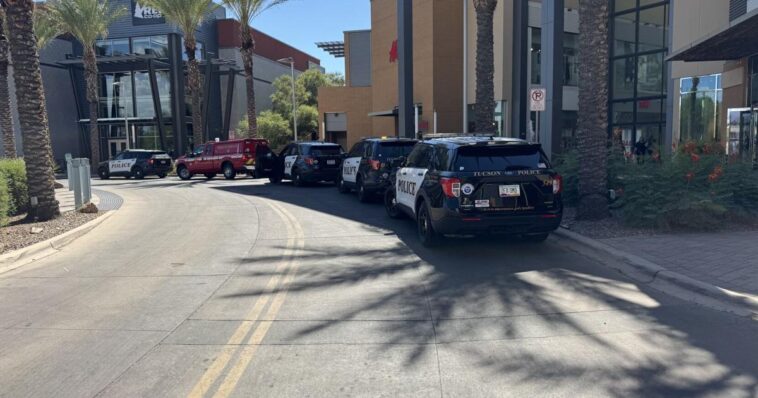
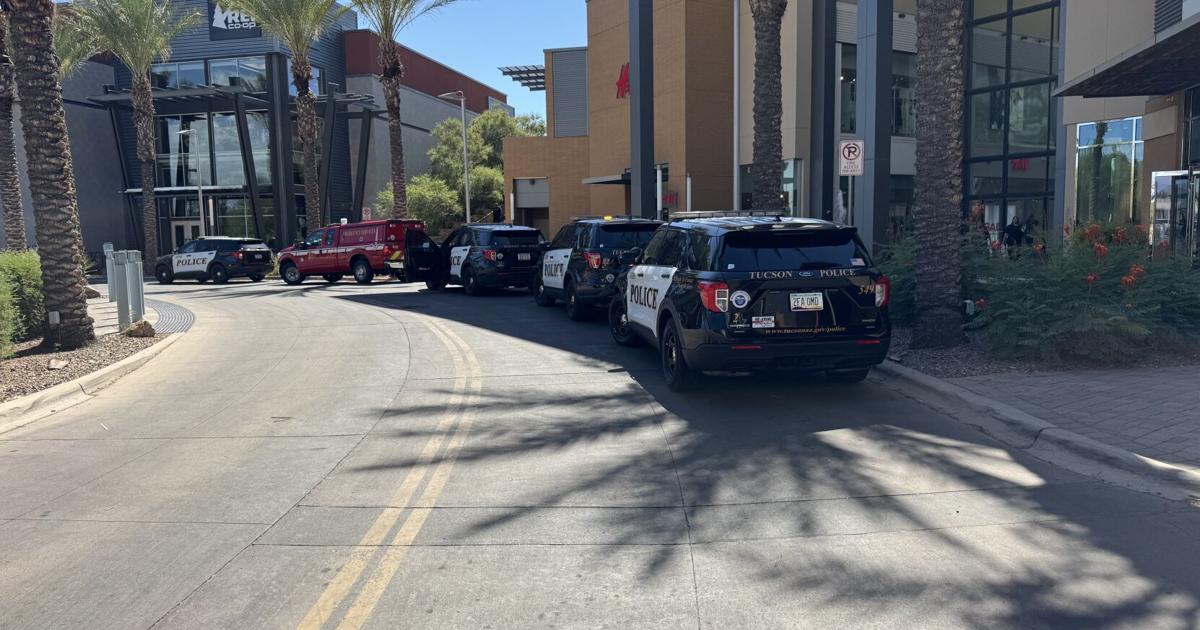
The Tucson Mall robbery, which took place on June 24, 2025, is not merely an isolated case of property crime. It shines a light on numerous legal questions regarding premises safety, security protocols, and the obligations of mall management and property owners. While the Tucson Police Department confirmed that injuries were minor and that no suspects had been apprehended as of the report, the incident raises critical legal and policy concerns that cut across the domains of private property liability and public safety.
Legal scholars have long noted that crimes on commercial properties involve a complex intermingling of safety regulations, contractual duties, and even statutory mandates. The Tucson Mall case is a vivid example of how such events bring forward considerations of how property managers—as well as potential new owners considering the recent announcement of a sale—should prioritize security. The chain of responsibility extends:
- Property management’s duty to maintain a safe environment
- Local government obligations regarding public safety and law enforcement support
- Tenant and visitor expectations concerning business premises
This incident encourages us to take a closer look at how legal frameworks guide these responsibilities and what improvements might be made to reduce risks.
Legal Liability in a Transitioning Commercial Property
Property Sale and Responsibility: Analyzing Liability Issues
Recently, Tucson Mall’s media spotlight has grown not only because of criminal incidents but also due to its impending sale. When a commercial property with a string of criminal occurrences comes up for transfer, the legal challenges amplify. The sale process is fraught with legal twist and turns involving:
- Disclosure obligations concerning past incidents
- Contractual language regarding security measures
- Transfer of insurance and risk mitigation responsibilities
The intertwined relationship between criminal activity and ownership can present complicated pieces for both buyers and sellers. A detailed forensic review of premises safety practices, along with legal risk assessments, becomes necessary. Lenders and investors are often super important players in this discussion, demanding transparency about any troubling legal history that could affect future operations and liability.
In the Tucson Mall scenario, the recent robbery—alongside a past shooting in April 2025 that resulted in injury and arrest—demonstrates that the property is full of problems regarding safety and security. A careful reading of local and state laws regarding commercial property liability should guide both current managers and potential new owners. Legal analysts contend that buyers must be cautious, ensuring that legal due diligence is thoroughly performed to alleviate any potential liability following the acquisition.
Legal Precedents and Local Crime Laws in Arizona
Interpreting State Laws on Commercial Security and Public Safety
Arizona’s legal environment for commercial properties has evolved in response to rising concerns over retail crime and violent incidents in public spaces. Over the years, several legal precedents have been set regarding the duty of care a property owner owes to their patrons. In cases like the recent Tucson Mall robbery, the property falls into a gray area where:
- The boundaries between criminal acts within public areas and security lapses in private spaces blur
- Civil claims may arise from perceived negligence in designing or maintaining effective security systems
- The roles of local law enforcement versus private security teams come under scrutiny
This legal tension is one that is both intimidating and nerve-racking for stakeholders involved. Attorneys advocating for victims stress that the courts should mandate stricter guidelines for commercial establishments to safeguard both visitors and employees. They suggest that legislation addressing the fine points of property security should evolve to manage these little twists of legal disputes.
Moreover, debates have emerged around whether current statutes adequately compel commercial spaces to invest in advanced safety systems. Traditional legal responses may no longer suffice in an era where both crime sophistication and public expectations have escalated. This discussion prompts the community and lawmakers alike to figure a path toward more robust preventative measures.
Community Trust and the Role of Law Enforcement
Balancing Public Safety and Legal Enforcement in Vulnerable Areas
The Tucson Mall incident not only highlights property liability concerns but also underscores the significant role of law enforcement in protecting communities. The police’s handling of the situation—acknowledging the crime without immediate apprehension—leaves room for public criticism and legal debate. Residents, business owners, and property managers are left to ponder several disconcerting questions:
- How quickly can law enforcement respond to such incidents
- Is there a clear procedural framework ensuring that crimes in commercial zones are efficiently investigated
- What legal recourse do individuals have if police protocols fail during an emergency?
These questions are not mere tangents, as the public’s trust in law enforcement is a cornerstone of community safety. If citizens feel that criminal acts are not being handled in a timely or transparent manner, the ripple effects will be both socially and legally significant. For instance, legal challenges may be mounted claiming that inadequate police response contributed to heightened risk in already tense environments.
Ensuring that law enforcement and the legal framework work in a cohesive manner is super important. The Tucson Mall affair is a case study in community legal relations, prompting dialogue between police departments, legal experts, and community leaders about how best to manage future unpredictable criminal events.
Comparing Recent Incidents: Trends and Legal Outcomes
Contrasting the Tucson Mall Robbery With Earlier Cases
While the Tucson Mall robbery is significant in its context, it is part of a broader pattern involving criminal incidents in commercial and public settings around Arizona. Drawing comparisons with other recent events can help highlight both common legal themes and subtle differences in the outcomes. For example:
| Incident | Location | Legal Challenges Faced | Community Response |
|---|---|---|---|
| Mall Robbery | Tucson Mall | Property liability, insurance claims | Anxiety over commercial safety |
| Shooting Incident | Tucson Mall (April 2025) | Use of force, security negligence | Heightened media scrutiny |
| Other Retail Thefts | Various shopping centers | Criminal prosecution and civil litigation | Demand for improved security technology |
Such comparisons reveal that while each case might entail different legal nuances, the little details behind each incident converge on common themes: the need for robust security measures, legal accountability on part of property owners, and rapid, effective police response. Moreover, these instances serve as a wake-up call for local lawmakers to review and potentially reform existing regulations so that future tragedies or criminal events can be deterred before they escalate.
Evaluating Preventative Measures and Proposed Legal Reforms
Key Strategies to Enhance Security in Commercial Properties
Learning from recent events, including the Tucson Mall robbery and previous violent incidents, legal experts and community stakeholders have proposed several strategies aimed at improving public safety and delineating clearer lines of liability. Some of these strategies include:
- Enhanced Security Protocols: Mandating regular audits of security systems including CCTV, alarm systems, and the presence of trained security personnel.
- Legal Mandates for Disclosure: Requiring transparent reporting of past criminal incidents during property sales, ensuring that prospective buyers are aware of any lingering safety concerns.
- Improved Law Enforcement Coordination: Developing more integrated frameworks between private security and police forces so that information flows efficiently in real-time.
- Stricter Liability Standards: Enforcing a higher standard of care via state legislation, thereby reducing the chance of negligence claims while protecting property owners from undue legal exposure.
Addressing these points involves working through not just legal but also practical security measures. Stakeholders must balance the need for legal compliance with the practical requirements of modern, dynamic usage of public spaces. If implemented correctly, these measures could serve as a protective buffer both for residents and property operators.
The Tucson Mall case, despite its unfortunate elements, might serve as a legal milestone that prompts widespread legal reform. By focusing on measures such as improved safety audits, clear contractual obligations during property sales, and cooperative policing, community leaders can work to address the hanging issues that leave commercial properties at risk.
Stakeholder Perspectives: Business, Law Enforcement, and the Public
Voices from the Field: Legal and Community Opinions
Different groups view the Tucson Mall incident through very distinct lenses, making for a multi-dimensional legal discussion. Here are some of the perspectives:
- Local Business Owners: Many are concerned that high-profile criminal incidents erode consumer confidence. Legal liability concerns, coupled with the operational challenges of maintaining safe retail environments, create a nerve-racking atmosphere for business sustainability.
- Law Enforcement Officers: Police departments are under increased pressure to quickly identify and arrest suspects in cases like the Tucson Mall robbery. Their perspectives often focus on resource allocation, strategic crime prevention, and ensuring that legal processes are thoroughly followed.
- Community Members: Residents and shoppers worry not only about immediate safety but also about long-term community trust in both local law enforcement and the property management responsible for the spaces they frequent.
- Legal Experts: Attorneys and legal scholars debate the extent to which property owners should be held accountable for security lapses. Many argue for legislative reforms to remove ambiguity in commercial security law.
A balanced discussion that incorporates these discreet yet important viewpoints is crucial for any legal reform proposals. Understanding these perspectives helps highlight the need for a unified approach that secures both individual freedoms and community welfare without imposing excessive legal burdens on any one party.
Legal Interpretation of Criminal Liability in Commercial Settings
Breaking Down the Legal Duties of Property Managers
In the wake of the Tucson Mall robbery, one of the focal legal discussions revolves around the specific duties that property managers and owners owe to their patrons. The law traditionally imposes a duty of care that encompasses:
- Regular Security Upgrades: It is expected that commercial properties maintain current safety practices as technology and criminal tactics evolve.
- Prompt Incident Reporting: In the event of a crime, timely disclosure to law enforcement and appropriate internal board reviews are super important.
- Transparent Communication: Notifying tenants, customers, and potential buyers of previous incidents is a key component of due diligence.
Legal mandates suggest that failure to meet these little twists and subtle parts of property management can lead to civil suits or even criminal negligence charges, especially if subsequent incidents can be directly linked to past oversights. This evolving legal landscape is a call-to-action for builders, property managers, and local regulators to be proactive rather than reactive when it comes to security measures.
Moreover, when assessing liability, legal experts often consider whether the security measures in place were appropriate by current standards. This ‘reasonable person’ test means that decisions made by commercial property owners are judged not on hindsight, but on what a prudent and cautious manager would have done under similar circumstances. In the Tucson Mall case, there is an ongoing debate as to whether the existing security protocols would be viewed as sufficient by such legal standards.
Legislative Reforms: A Path Forward for Commercial Safety
Envisioning New Laws to Mitigate Future Risks
The Tucson Mall incident should serve as a catalyst for legislative reform at both the state and local levels. Lawmakers, influenced by community outcry and legal scrutiny, might consider a range of new legal stipulations such as:
- Mandatory Security Reviews: Implementing laws that require periodic audits of commercial security systems can help public and private sectors stay ahead of potential criminal exploits.
- Enhanced Penalties: For negligent property management practices that lead to harmful incidents, legislation could enforce stricter penalties—both civil and criminal.
- Insurance and Financial Safeguards: Regulatory measures might ensure that commercial properties maintain adequate insurance and contingency plans to cover any legal fallout from criminal events.
- Inter-agency Collaboration: Proposals to improve coordination between law enforcement, legal entities, and property management could be put forth to ensure a unified approach to community safety.
If enacted, such measures could help calm the rife tensions and nerve-racking uncertainties that often follow high-profile criminal events. Legislators would be better able to establish a clear legal framework that isolates the fine points of liability, making it easier for all parties involved to figure a path through the aftermath of these incidents.
Furthermore, by prioritizing public safety through legal means, it is possible to build a stronger sense of trust between commercial property operators and the communities they serve. This trust is key to ensuring that incidents like the Tucson Mall robbery are met with swift justice and prompt reparative measures in the future.
Community Impact and the Legal Call for Transparency
Building Trust Through Legal Accountability and Open Communication
An important aspect of the legal debate following the Tucson Mall case is the question of transparency. Public trust is eroded when incidents are shrouded in ambiguity or when legal responsibility is diffused among multiple parties. To restore confidence, a multi-pronged approach is suggested:
- Public Reporting: Regular reports that detail security assessments, incident responses, and legal proceedings can help demystify the legal process for the community.
- Community Meetings: Open forums involving property management, law enforcement, and legal experts can provide a platform for dialogue and collective problem-solving.
- Accessible Legal Records: Allowing public inspection of legal documents related to past incidents can empower citizens to stay informed and advocate for stronger safety measures.
This approach not only helps sort out misunderstandings but also paves the way for a collaborative atmosphere where legal responsibility is not hidden away in convoluted paperwork. Community-driven accountability is essential in bridging the gap between legal theory and everyday practice. If the Tucson Mall management and local law enforcement can work together under transparent practices, future incidents may be met with a stronger, united legal response.
Responsibilities and Rights: A Dual-Edged Sword
Balancing Individual Rights With Collective Safety
The Tucson Mall incident forces a critical re-examination of the balance between individual rights and collective security. On one hand, criminals are subjected to legal punishment for breaching the safety of a commercial venue. On the other, victims of such crimes—whether directly injured or left with lasting psychological effects—seek reparative justice. In this light, the legal challenges are layered and often filled with tension as multiple interests collide:
- The Right to Safety: Shoppers and community members deserve a secure environment where they can enjoy commercial spaces without undue fear.
- The Right to Due Process: Individuals accused of crimes are entitled to fair legal proceedings and the presumption of innocence until proven guilty.
- Property Owner Obligations: Property managers and owners must ensure that security measures meet or exceed legal standards.
Legal frameworks must carefully balance these rights while keeping in mind the inherent limitations of each party’s responsibilities. The public’s right to security should never come at the expense of fair legal process for those accused of crimes. Yet, when property owners fall short of meeting their key responsibilities, they risk not only civil liability but also the erosion of communal trust.
This balancing act is one of the most nerve-racking aspects of modern law, as it involves reconciling contradicting interests and expectations. Legal practitioners must engage in a careful analysis of both statutory provisions and court precedents to ensure that justice is served on all fronts—safeguarding both individual freedoms and community safety.
Lessons Learned and Future Directions
Charting a Course for a Safer Commercial Future
The unfolding legal drama at Tucson Mall teaches us several important lessons. Most importantly, it highlights that commercial properties must be more than just attractive retail spaces—they must be fortresses of public trust and safety. In light of this, future directions for law and policy include:
- Regular Legal Audits: Mandating periodic reviews by legal experts to ensure that security protocols are up-to-date and in line with best practices.
- Proactive Legislation: Developing state and local legislation that preempts criminal risks by setting clear, binding standards for commercial property security.
- Stakeholder Involvement: Involving community members, business owners, and law enforcement in the policy-making process to ensure that all perspectives are represented.
- Focused Legal Education: Educating property managers and legal practitioners about the subtle parts of commercial liability and dispute resolution to prevent future incidents.
By implementing these measures, stakeholders can work through the current maze of legal complexities and find their path towards safer and more legally compliant commercial practices. The Tucson Mall incident, though regrettable, provides a unique opportunity to re-assess legal responsibilities and to work collaboratively for a more secure community future.
Conclusion: A Call for Comprehensive Legal and Community Reform
The Nexus of Crime, Law, and Community Safety
While the Tucson Mall robbery may seem like yet another statistic in the realm of commercial crimes, it is in fact a microcosm of larger legal, social, and ethical challenges. This incident is emblematic of the tangled issues we face when criminal behavior, property management, and community safety intersect. Legal obligations regarding disclosures during property sales, the responsibility of maintaining secure environments, and the imperative for prompt law enforcement intervention all add layers of complication that demand careful consideration.
The unfolding events have thrust the spotlight on the need for transparency, accountability, and robust legal reform. It is essential for lawmakers to work closely with property managers, law enforcement agencies, and the citizens themselves to craft legal frameworks that can adequately respond to these modern challenges. Whether it is establishing rigorous security audits, enforcing clear liability standards, or fostering open dialogue with community stakeholders, every step forward is critical in ensuring that such incidents serve as catalysts for positive change rather than mere cautionary tales.
As we reflect on this incident, it is imperative that we not only address the immediate legal fallout but also prepare for future challenges by enacting reforms that can effectively manage the unpredictable nature of urban crime. Tucson Mall’s recent troubles invite us all to reconsider the current state of commercial safety and to strive for a more secure, informed, and legally accountable environment.
In essence, the Tucson Mall case is both a legal lesson and a call for collective improvement. The complexities of commercial property security, the responsibilities during a property sale, and the challenges faced by law enforcement are all intertwined issues that require diligent attention. Stakeholders on all sides must work together to rectify the problems that have made certain public spaces feel unsafe. In doing so, the community can look forward to resolutely turning a new page—one marked by transparency, thorough legal review, and a united effort to protect the rights and safety of everyone involved.
This is not simply about assigning blame—it’s about understanding where legal protocols broke down and what can be done to ensure that every commercial space is a safe haven for those who visit it. The time has come for legal reform that is progressive, practical, and built on a foundation of shared responsibility. By engaging in these discussions and taking decisive action, we can transform the legacy of incidents like the Tucson Mall robbery into a roadmap for a more secure and just future.
As legal practitioners, business owners, and community members, let us embrace the challenge of rethinking our approach to public safety in commercial properties. In the end, ensuring a safe and secure environment is a super important objective—one that demands a blend of legal diligence, practical security solutions, and the active engagement of all stakeholders. Only through such collaborative efforts can we hope to steer through the complicated pieces and nerve-racking issues that define this era of urban commercial life.
Originally Post From https://www.kold.com/2025/06/24/least-one-hurt-robbery-tucson-mall/
Read more about this topic at
The TPD said there are no suspects in custody.
Suspected robbery at Tucson Mall; police search for suspects