Introduction: A Closer Look at the Maricopa Bank Robbery Incident
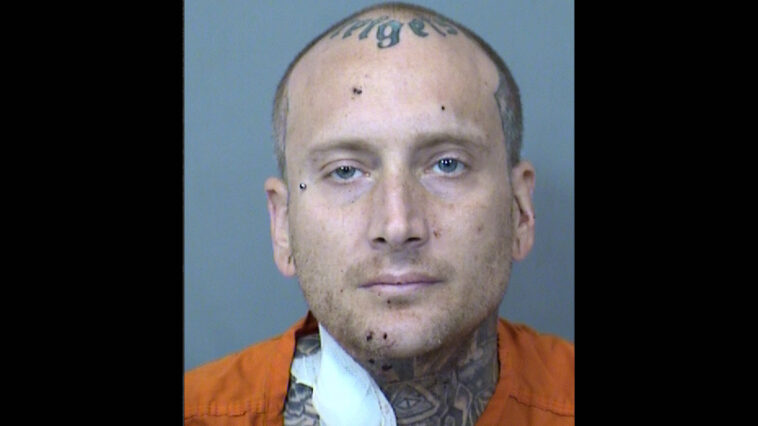
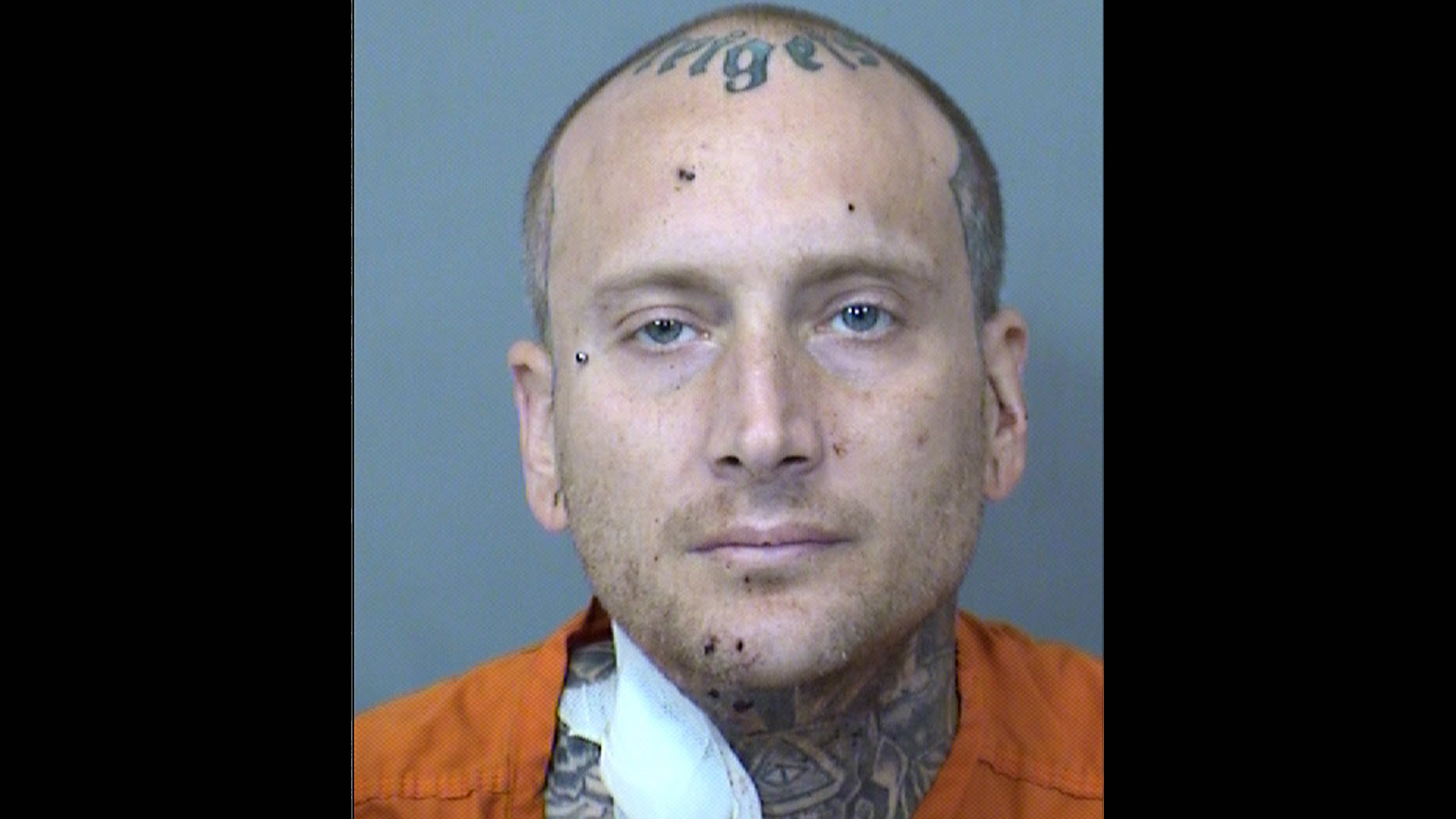
The recent robbery at a Chase Bank on John Wayne Parkway in Maricopa, AZ has stirred considerable discussion not only among community members but also within legal circles. On Tuesday, just before noon, the Maricopa police responded to a reported bank robbery and promptly apprehended a 40-year-old suspect, Cesar Sanchez. While the incident itself appears to have been contained swiftly, the episode opens up numerous points to consider from a legal viewpoint, touching on police procedures, community trust, and the nature of media coverage in high-profile cases. This opinion editorial aims to get into the finer points of the matter, analyzing the event from multiple angles to figure a path through its tangled issues.
Examining the Police Investigative Methods in a Bank Robbery
When dealing with a reported bank robbery, law enforcement agencies are faced with a series of tricky parts that require them to work through both the immediate threat to the public and the stages of an ongoing investigation. The swift arrest of Cesar Sanchez serves as an example of how law enforcement can efficiently dodge some of the confusing bits that often come with such cases. However, one must examine the subtle parts of the legal process that made it possible to neutralize the threat without causing unnecessary alarm among residents.
The police response was noted for its timeliness and effectiveness. Here are some of the key components integral to their process:
- Rapid Response: The immediate dispatch of officers after receiving the robbery report helped limit the potential for further risk to the community.
- Accurate Identification: Identifying the suspect quickly involves a detailed look at surveillance footage, witness accounts, and a systematic procedure to gather evidence.
- Containment and Interrogation: Once in custody, suspect management becomes a delicate dance of protecting the individual’s rights while ensuring that details about the offense are secured for further legal actions.
- Ongoing Investigation: Even after an arrest is made, the investigation remains full of problems; officers must continuously assess the situation to prevent any future escalation.
This table highlights some of the core elements involved in the police investigation:
| Investigation Element | Description |
|---|---|
| Response Time | Time taken by law enforcement to arrive on the scene |
| Evidence Collection | Gathering surveillance footage, witness testimonies, and physical evidence |
| Suspect Identification | Verifying the identity and background of the suspect |
| Community Safety | Ensuring no remaining threat exists to the public |
This efficient operation, although commendable, also leaves room for discussion regarding the fine points and hidden complexities associated with police work. The law enforcement team must continuously make tactical decisions while under pressure, and each of these choices has repercussions for both public safety and legal procedures.
Legal Implications of Bank Robbery in a Local Context
From a strictly legal perspective, bank robberies carry a host of charges and potential legal ramifications that underscore the seriousness of this crime. In Arizona, as in many other states, bank robbery is categorized as a felony offense, attracting not only severe criminal penalties but also long-lasting consequences on an individual’s record. While the immediate reaction to such an event is relief at the lack of ongoing threat, the legal process that follows can be overwhelming to those unfamiliar with judicial procedures, filled with nerve-racking twists and turns.
Key legal aspects to consider include:
- Criminal Charges: Bank robbery typically entails charges related to theft, assault (if any physical force or intimidation was used), and possibly additional federal charges due to the involvement of a financial institution.
- Rights of the Accused: Even in cases marked by clear evidence, suspects maintain constitutional rights. This includes the right to a fair and unbiased trial, the right to legal representation, and protection from self-incrimination. Each step in this process can be both intimidating and complicated for those involved.
- Evidence Handling: Proper collection and preservation of evidence are essential to ensure that every little twist of the case is accounted for and legally admissible. This includes witness statements, forensic analysis, and digital records of transactions.
- Potential Sentencing: Convictions for such acts often come with lengthy prison terms, hefty fines, and in some circumstances, restitution orders for the financial institution. Each sentencing decision reflects many subtle details that judges weigh while trying to balance justice, deterrence, and community responsibility.
Critically, the legal system requires both diligence and a willingness to dig into the complex pieces of a case. The process of charging an offender is not just about punishing behavior—it is about ensuring that the legal system remains a well-oiled mechanism where the rights of the accused and the demands of justice can coexist.
Community Trust and the Role of Law Enforcement in Sensitive Situations
One of the most important aspects of any criminal case, especially one involving a reported bank robbery, is the trust between the community and law enforcement. In instances where police manage to respond quickly and transparently, they help maintain that trust. However, when communities are faced with confusing bits and tangled issues related to repeated criminal behavior, reinforcing public confidence becomes a key challenge.
Community trust can be impacted by several factors:
- Transparency and Communication: The sharing of timely information or updates regarding cases reassures residents that local authorities are on top of any problem. This is super important in alleviating fears and preventing the spread of misinformation.
- Accountability: When mistakes happen, whether during evidence collection or in the initial handling of a case, clear accountability can help restore faith in law enforcement. The community expects that officers will take responsibility for any missteps, ensuring that the legal process remains just and fair.
- Engagement in the Process: Community meetings, forums, or public records sessions allow residents to get into the nuances of the ongoing investigations and to offer feedback. This working-through of feedback along with the police department contributes to a yield of better practices and strengthened community bonds.
If the detective work and subsequent legal steps are conducted without trying to shield any of the hidden complexities, the public is more likely to support the process and to collaborate with the officials in charging forward with broader community safety goals.
The Balance Between Public Safety and Individual Rights
Every legal case, especially those involving serious allegations such as bank robbery, finds itself balancing the scales between maintaining public safety and protecting the rights of the suspect. On one hand, law enforcement has the duty to ensure that the community is safeguarded from immediate and future danger. On the other hand, society’s legal framework is built to prevent the slide into undue punitive measures that might compromise an individual’s civil liberties.
This balancing act entails several subtle details:
- Immediate Protective Measures: Ensuring the safety of the community post-incident is critical. Swift arrests and ongoing monitoring are standard procedures in such cases.
- Legal Representation: At the same time, the suspect is entitled to adequate legal counsel—a rule that might seem intimidating in sensitive situations but is a fundamental part of the justice system.
- Fair Trial Procedures: The judicial process is tasked with sorting out the evidence in a manner that is just, impartial, and respectful to both victims and the accused. This reasoned process helps to prevent the spread of biases and ensures a fair outcome even in cases riddled with tension.
The discussion over rights becomes especially relevant when an incident is under heavy public scrutiny. In these scenarios, community members often call on authorities to not only figure a path through the side details of the case but also to demonstrate that every step is being managed with a clear focus on equitable treatment for everyone involved.
Media’s Role in Shaping Public Perspective on Criminal Incidents
Another critical angle worth discussing is the role that media coverage plays in criminal cases such as the Maricopa bank robbery. Media outlets serve both as a source of public information and as an influencer of community sentiment. Balancing the need for prompt, accurate reporting with the requirements of a fair judicial process is not a simple task; media professionals must contend with the tricky parts of providing timely details without overstepping into speculative territory.
Here are some of the small distinctions media reports must manage:
- Factual Reporting: Outlets must rely on patrol reports, official statements, and verified sources to form their coverage. The importance of checking each detail cannot be overstated, as inaccurate information can spark misleading interpretations.
- Contextual Analysis: Reporting goes beyond just recounting the event; it involves diving in to explain the legal framework under which such crimes are judged, the implications for local law enforcement, and the potential impact on community dynamics.
- Balanced Narratives: Maintaining neutrality in language and expression is essential to avoid inflaming tensions, especially when community trust might already be strained due to previous incidents.
- Visual Evidence: With the rise of sources like social media and citizen journalism, video and photographic evidence can sometimes provide more insight than written words—though they must be handled carefully to avoid misinterpretation.
This working-through of journalistic responsibilities underscores the critical role media plays in shaping a balanced narrative. It becomes the public’s window to commission insights into how law enforcement and judicial processes evolve during high-profile incidents. Additionally, detailed and neutral reporting lends credibility to any subsequent legal process and fosters a collaborative spirit between authorities and the community.
Public Reactions and the Fine Line Between Anxiety and Reassurance
In the wake of serious crimes like the Maricopa bank robbery, public reaction is often a mixture of relief, anxiety, and skepticism. Local residents naturally feel a sense of reassurance when they learn that a suspect has been apprehended and that no further threat looms. Nevertheless, the initial shock or fear tends to linger unless there is continual, transparent communication from both law enforcement and community leaders.
Some of the factors contributing to the community’s emotional response include:
- Perceived Efficiency: When residents witness prompt action by the police, they feel that the government is proactive in ensuring their safety.
- Ongoing Communication: Updates and the sharing of factual information, even when the case is still developing, can help alleviate anxious sentiments.
- Comparative Analysis: The community may compare this incident to past events. If previous responses were lackluster or muddled by confusing pieces, the current efficient handling can build and restore trust.
- Role of Public Forums: Town hall meetings, online discussion boards, and local news segments all contribute to shaping a communal understanding of the facts while also allowing people to voice their concerns and suggestions.
Thus, the dialogue between local authorities and community members is critical. Each stakeholder must endeavor to clear up any tangled issues while ensuring that all public communications underscore the importance of both safety and due legal process.
Interrogating the Fairness of the Judicial Process
Despite a successful initial arrest and reassuring community updates, many legal experts caution that the road to a fair verdict is often long and layered with nerve-racking twists and turns. The judicial process involves sifting through every little twist and the fine points, ensuring that evidence is properly evaluated and that the suspect’s rights are never sidelined—even in cases that might initially seem straightforward.
This phase includes several detailed steps:
- Pre-Trial Procedures: The period before a trial can be particularly nerve-racking, as defense attorneys and prosecutors work through pretrial motions, discovery processes, and plea negotiations. Each of these steps is loaded with issues that can steer the case in different directions.
- Trial Process: When a case goes to trial, judges and juries must take into account every subtle detail—from eyewitness testimonies to forensic reports. The responsibility of sifting through such evidence demands that all parties involved maintain a high standard of fairness.
- The Role of Expert Witnesses: In cases involving bank robberies, experts in fields ranging from forensic science to financial analysis are often called upon. Their insights help illuminate the nitty-gritty pieces that might otherwise be overlooked.
- Sentencing Considerations: If a conviction occurs, sentencing might be influenced by several factors, including the suspect’s criminal history, the specifics of the crime, and any mitigating circumstances. The judge’s decision reflects a careful, albeit intimidating, consideration of both legal precedents and community safety needs.
This multi-layered journey through the court system is designed not only to determine guilt or innocence but also to establish a precedent that can influence future cases. As such, every stakeholder in the courtroom is challenged to think through both the rights of individuals and the overarching goal of fairness in a legal system that must always remain on edge, yet be judicious and humane.
Legal Precedents and the Importance of Consistency in Law Enforcement
Every bank robbery case contributes to an ever-growing body of legal precedents. These precedents are essential, as they offer framework guidance for law enforcement and the judiciary when similar cases emerge in the future. In Maricopa, the handling of Cesar Sanchez’s arrest provides an opportunity to reflect on what is working well and what areas might require further refinement.
Some critical observations include:
- Consistency in Response: Establishing clear protocols helps law enforcement agencies get around the complicated pieces of criminal incidents. Consistency fortifies community trust and prevents the escalation of issues due to inconsistent application of procedures.
- Judicial Uniformity: Similar crimes should, in theory, result in similar judicial outcomes. When anomalies occur, it is essential to dig into the underlying reasons, whether they stem from the secret parts of evidence handling or the confusing bits in legal argumentation.
- Training and Development: Law enforcement and judicial staff benefit from continuous training programs that help them work through evolving challenges and prevent errors in judgment. These training sessions cover topics ranging from new surveillance technologies to improved interrogation techniques.
- Legislative Adjustments: Occasionally, cases like this prompt lawmakers to re-examine the statutes in place. The goal becomes to create laws that are comprehensive yet flexible enough to handle the ever-changing landscape of criminal activity.
In exploring legal precedents, one finds that each case, even if it is in a localized setting like Maricopa, contributes to a legacy of judicial reasoning that can influence decisions far beyond immediate borders. The continuous review of these cases enriches the system and ensures that justice, however intimidating or laden with issues, remains as fair as possible.
Challenges in Reporting and the Impact on Public Opinion
In the age of social media and instant updates, the way criminal incidents are reported can significantly sway public opinion. Journalists and legal commentators alike are tasked with the responsibility of reporting on the case without exacerbating tensions or compromising the integrity of ongoing investigations. This section of our discussion focuses on the subtle details that determine how effective and unbiased reporting can be.
Key challenges include:
- Speed Versus Accuracy: In a world where breaking news is immediate, there is always a risk of sacrificing fact-checking for the sake of speed. It is essential to toe the line between timely updates and ensuring that every piece of published information is thoroughly vetted.
- Sensationalism Versus Substance: While sensational headlines can attract attention, they can also distort the true scope of the case. Media outlets need to avoid leaning into dramatic portrayals if they wish to maintain credibility and support a balanced judicial process.
- Balancing Opinions: Reports that include perspectives from both law enforcement officials and community representatives offer a more complete picture of the incident. Such balance is key to helping the public understand that while the case may be filled with tricky parts, there exists a structured process to address them.
- Long-Term Impact: The way an incident is reported has lasting effects on the community as well as on future policy decisions. Journalists who take the time to figure a path through developing stories contribute to informed communities that can better participate in the dialogue around public safety and justice.
At its best, media reporting acts as a bridge between law enforcement and the community, ensuring that all parties are kept informed through every phase of an investigation. In doing so, responsible reporting helps us all understand that while the twists and turns of a case may sometimes be nerve-racking, the pursuit of the truth remains an essential part of our legal system.
Looking at Broader Implications: Policy Changes and Future Preventative Measures
Every high-profile incident—especially one that punctuates community life like the Maricopa bank robbery—sparks broader discussions about future policies and prevention strategies. Community leaders, law enforcement officials, and lawmakers all have a stake in taking a closer look at similar events to identify the small distinctions between what is working and what might need modification.
Future preventative measures and policy changes may include:
- Enhanced Surveillance Technology: Investing in advanced surveillance systems and digital forensic tools can help police steer through evidence collection more accurately, reducing the chance of overlooking critical details.
- Interagency Collaboration: Coordinated efforts between local, state, and federal law enforcement agencies can address criminal activities that cross jurisdictional boundaries, ensuring that every part of a case is managed effectively.
- Community-Based Initiatives: Programs that involve community participation in identifying potential risks can lead to quicker resolutions and improved safety protocols. When citizens are encouraged to report suspicious behavior, law enforcement can dive in with more information at hand.
- Legislative Review: Regular reviews of existing criminal statutes, particularly those surrounding bank robbery and related crimes, can help lawmakers address any off-putting gaps in legal protections or enforcement methods.
These measures are not only crucial for preventing future incidents but also essential for building a resilient system capable of responding to the nerve-racking bits of unforeseen criminal activity. As authorities and communities work together to tease out the best strategies, the hope is that every incident, even one as severe as this, becomes a learning opportunity that contributes to a safer society.
Understanding the Broader Legal Landscape Through Detailed Case Analysis
It is important to realize that single incidents such as this bank robbery are deeply embedded in the broader legal fabric. A case does not exist in isolation—each instance adds to a larger dialogue about crime, justice, and prevention. Analyzing case details slowly and methodically can reveal hidden layers of complexity that inform not just the immediate response, but also long-term legal policies.
When we piece the case together, we observe several critical aspects:
- The Role of Detailed Evidence Analysis: The comprehensive review of surveillance, witness accounts, and forensic data plays a central role in building a robust case against a suspect. Every little twist in testimony can have far-reaching effects on the outcome.
- The Importance of Proper Chain-of-Custody: Ensuring that evidence is handled through every stage without tampering is an off-putting but necessary step in preventing the confusion that can derail a case’s progress.
- Legal Precedents and Consistent Judicial Reasoning: As discussed earlier, similar cases help refine the criteria for conviction and sentencing. Studying legal precedents leads to improved consistency in the application of justice—although it requires persistence to reconcile every subtle detail.
- Collaborative Efforts: Finally, effective communication between police, prosecutors, defense attorneys, and even community stakeholders is critical to achieving a fair outcome, even when the issues appear full of problems or are loaded with tension.
In exploring these facets, it becomes clear that while the Maricopa bank robbery is an isolated incident, the lessons drawn from it resonate far beyond a single case. Each detail—no matter how tiny—forms part of the larger mosaic of our legal framework, one that is continuously evolving to better serve justice while protecting individual rights.
Conclusion: Taking the Wheel Toward A Safer Future
In conclusion, the Maricopa bank robbery and the subsequent arrest of Cesar Sanchez serve as a compelling case study of how modern law enforcement interacts with the legal system under pressure. While the immediate actions taken by local police mitigated a clear threat and restored a measure of public safety, the subsequent legal processes remind us that the quest for justice is layered with nerve-racking twists and the subtle details of a fair judicial system.
This incident presents a moment for both reflection and proactive change. It calls for an ongoing dialogue between law enforcement, the judiciary, and the community—each working through the complicated pieces of the legal process to build a system that is as transparent as it is effective. Whether through improved forensic techniques, refined media practices, or thoughtful legislative updates, every step taken will be key in ensuring that our legal landscape can manage and eventually reduce such claims of criminal behavior.
There is no denying that bank robberies and similar offenses continue to challenge our society. Yet, each incident, when viewed in its full context, provides an invaluable opportunity for learning and growth. By reinforcing the pillars of fairness, community engagement, and thorough investigative methods, we can all take a closer look at these events not as isolated acts of defiance but as moments that galvanize necessary improvements across the board.
As a society, we must remain committed to working through the tangled issues inherent in such cases, making the careful balance between individual rights and public safety not just a legal necessity but a collective effort. In doing so, we reaffirm our trust in the judicial process and lay the groundwork for a future where every citizen can feel secure, informed, and empowered to participate actively in the dialogue about safety and justice.
Looking ahead, it is critical that we continue to support initiatives that foster better communication between law enforcement and the community, engage in open dialogues about legal preparedness, and push for reforms that enhance both safety and fairness. The road may be filled with intimidating obstacles and nerve-racking challenges, but by taking the wheel and steering through, we ensure that our legal system remains robust, fair, and responsive to the needs of every individual.
In the end, the story of the Maricopa bank robbery is not merely one of crime and punishment; it is a narrative rich with lessons about the delicate interplay between law enforcement, media, and the public. It reminds us that while the twists and turns of a case can be intimidating, they also provide the opportunity to improve our judicial processes and strengthen the trust that binds our communities together.
Ultimately, resolving such incidents effectively is a shared responsibility—one that calls for careful reflection, proactive measures, and, above all, an unwavering commitment to justice that respects both public security and the rights of each individual. Moving forward, we must continue to figure a path through these challenging times with clarity, fairness, and a determination to make our communities safer for all.
Originally Post From https://www.azfamily.com/2025/11/04/suspect-custody-after-reported-bank-robbery-maricopa/
Read more about this topic at
NCSO: Yulee armed bank robbery suspect arrested …
Bank robbery suspect caught after Wake County chase