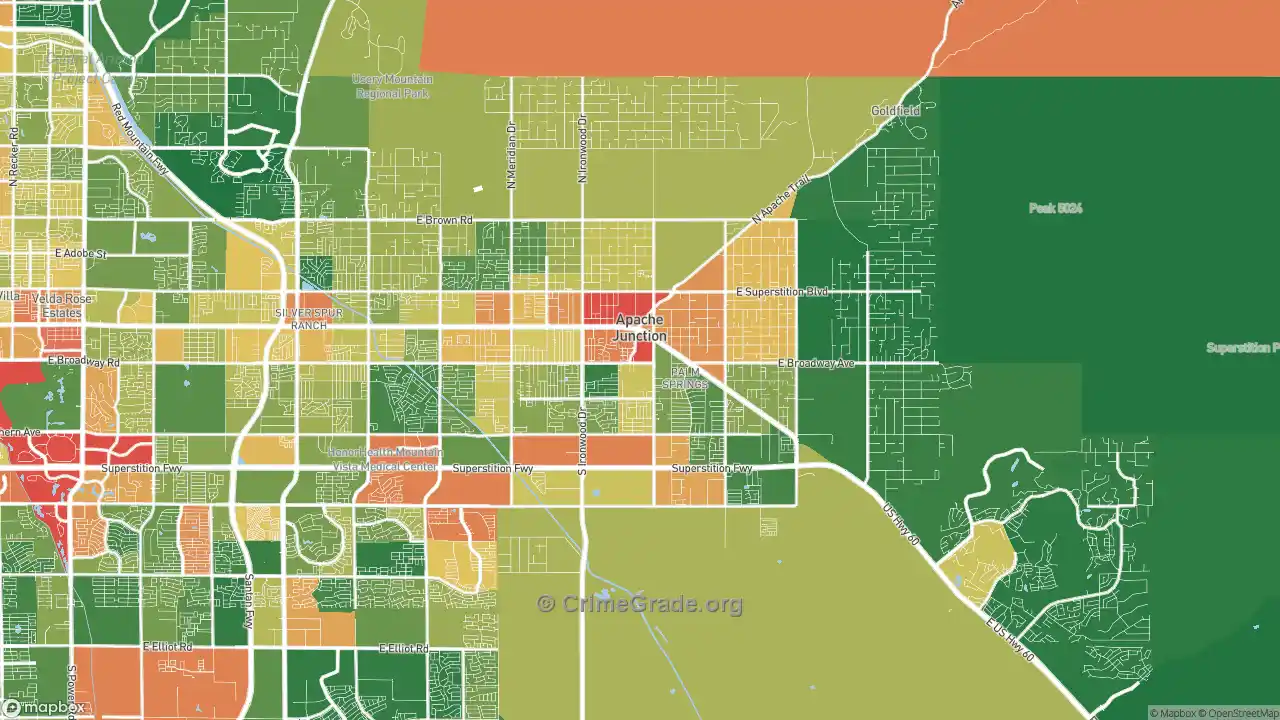
Local Crime Trends and Community Perceptions
The recent incidents reported by the Apache Junction Police Department have sparked a wave of community attention and heated debates in our local community. Over the past week, several thefts have been recorded in our city—from motor vehicle thefts to other instances of property misappropriation—and these events have left many residents both concerned and curious about what lies beneath the surface of these happenings. In this opinion piece, we aim to offer a neutral perspective on these occurrences while also exploring the role of local law enforcement and the essential contribution of local journalism in keeping citizens well informed.
Many in our community are wondering why these incidents seem to be on the rise and what, if any, larger trends they signal not just in Apache Junction but in neighboring regions as well. Does this pattern of theft speak to broader issues in local policing or socioeconomic undercurrents? And what does it mean for residents striving to feel secure and heard? We will get into these issues and more as we work through the situation piece by piece.
Dissecting the Incidents: A Closer Look at the Details
Between November 12 and November 18, the Apache Junction Police Department received multiple reports of theft. A motor vehicle was stolen on November 12 in the 1100 block of North Delaware Drive, and another incident was recorded on November 12 in the 1900 block of South Saguaro Drive. Additionally, a motor vehicle theft occurred later on November 16 near the 2100 block of West Apache Trail. Although these events might seem isolated, it is useful to poke around and take a closer look at the subtle parts of each case in hopes of understanding the broader environment in which they occurred.
At first glance, it might appear that these incidents are simple isolated crimes. However, when community members start questioning whether these cases are symptomatic of larger issues—perhaps stemming from socioeconomic tension or policing challenges—it becomes clear that a deeper dive is both necessary and justified. While local police work hard to figure a path to security, sometimes these thefts illustrate a tangled set of challenges that the city must confront.
Crime Statistics and Reporting: The Nitty-Gritty of the Data
When examining the local crime data, it is important to sort out which pieces of information are truly relevant for our discussion. Not only do the locations and timing of the thefts matter, but so do the underlying conditions in those neighborhoods. In reviewing police reports, community leaders have expressed concerns that what appears to be a spike in property-related offenses might be symptomatic of broader community challenges. The following bulleted list summarizes the key pieces of information that have emerged:
- A motor vehicle theft on November 12 near North Delaware Drive
- Another theft instance on November 12 in the vicinity of South Saguaro Drive
- A further motor vehicle theft on November 16 along West Apache Trail
- An ongoing effort by police to provide security and community reassurance
These incidents not only highlight issues in immediate crime prevention but also expose some of the tricky parts and subtle details of managing public safety in an ever-changing urban environment. For many residents, the situation may feel overwhelming, as the challenges are loaded with issues that stretch far beyond a few discrete theft reports.
Community Reactions: Building Trust and Reassurance
Local communities often respond to events like these with a mix of frustration and hope. On one hand, residents worry about the potential for repeated criminal activity, while on the other, many are quick to recognize the efforts made by police officers and security personnel. In such times, community solidarity is super important. Residents band together to support each other, organizing neighborhood watches and community meetings, hoping to find a way to steer through the situation.
Some community members have started taking active roles by forming informal groups and inviting local law enforcement to community events. These initiatives aim to demystify the strategies police use, and in turn, give residents the confidence that their safety is a priority. The benefits of such approaches include better reporting of suspicious behavior and a more trusting relationship between the police and the community they serve.
Below is a table summarizing the different ways community members have rallied support in response to local thefts:
| Community Initiative | Action Steps | Expected Benefits |
|---|---|---|
| Neighborhood Watches | Residents patrol local streets and report unusual activities | Deterring criminal activity and quicker police response |
| Public Forums | Organized discussion meetings between community leaders and police officials | Building trust and clarifying police protocols |
| Social Media Groups | Digital spaces for sharing information on suspicious events | Real-time alerts and neighborhood cooperation |
Taking these steps may not provide an immediate solution to the problem, but they help align the community’s expectations with the capabilities of local law enforcement. By figuring a path for open dialogue, residents can work together to transform moments of fear into opportunities for communal empowerment.
The Role of Local Law Enforcement: Finding Your Way Through the Situation
While local law enforcement professionals are often viewed as the front-line defenders of community safety, their job is anything but straightforward. The police department in Apache Junction, for instance, faces a nerve-racking task as they strive to protect the community amidst numerous tricky parts. Their duty is to provide swift responses to thefts while also engaging in long-term planning, ensuring that residents feel secure in their neighborhoods.
It is critical to acknowledge the pressure that officers face while protecting public safety, especially when incidents are riddled with tension and deal with numerous subtle details. These professionals must juggle the immediate response to crimes while also investing time in community outreach and preventative measures. Such a dual focus can be both overwhelming and intimidating, yet remains an essential part of the strategy to get around criminal trends.
In discussing this issue, here are several key areas where local law enforcement is currently focusing their efforts:
- Enhancing communication with the community through regular updates
- Implementing innovative patrol strategies during high-risk hours
- Using technological advancements (like surveillance and data analytics) to detect patterns
- Collaborating with community leaders to address the subtle parts of local crime dynamics
Each of these points underscores how law enforcement is trying to direct their energies towards not just addressing immediate issues but also mitigating future risks. Still, the process of finding a path through these challenges is a joint effort that requires both community support and institutional resilience.
Local Journalism: The Backbone of Transparent Community Reporting
Amid the backdrop of criminal incidents and community unease, local journalism plays a super important role in shaping the narrative and holding all parties—be it law enforcement, government officials, or community groups—accountable. The subscription model that many local outlets now embrace is designed to support quality reporting that digs into the subtle details of our shared local history and current events.
Local journalists are dedicated to providing timely and accurate news, which is essential not only for keeping the community informed, but also for acting as a record of community resilience in the face of crime and adversity. With stories coming in from different corners of the community—from thefts in specific local streets to statewide policy changes—the nuanced reporting plays a key role in ensuring that every twist and turn is reported.
It is noteworthy that many people express skepticism about the growing prevalence of digital subscriptions and paywalls. In response to these concerns, many local publications have emphasized that the subscription fee is a super important investment in a system of checks and balances, and one that is necessary to sustain independent journalism. The shift to a model where small, monthly contributions support quality reporting is gaining traction, and the trust between the journalists and their audience remains a cornerstone of its success.
A simple breakdown of the benefits provided by local journalism includes:
- Unbiased reporting on local issues
- Timely updates during emergencies or high-profile incidents
- In-depth pieces that provide context and background
- The preservation of local history through documented events
Below is a table contrasting traditional and digital subscription models and highlighting their respective advantages:
| Aspect | Traditional Model | Digital Subscription Model |
|---|---|---|
| Accessibility | Primarily local physical distribution | Global access via the Internet |
| Revenue Model | Primarily advertising and print sales | Subscription fees and digital advertising |
| Content Exclusivity | Standard reporting for all subscribers | Exclusive stories and in-depth features available only digitally |
This enhanced model not only supports the journalists but also reinforces the voice of the community, ensuring balanced, fair, and super important reporting that captures the essence of local life. In an era filled with confusing bits of misinformation, ensuring that the community has access to well-researched news is a must-have asset for our democratic society.
Reflecting on the Impact: The Interplay of Policy, Enforcement, and Public Opinion
Deciphering the full scope of what these theft incidents mean for Apache Junction requires diving into several interconnected areas: policy decisions, the subtleties of enforcement, and the reactions of everyday citizens. While the immediate reports capture attention, the fine points of how these events fit into our broader socio-political landscape deserve equal scrutiny. In many ways, each reported crime becomes a lens through which we view the state of our community’s health.
On a broader scale, the discussions raised by these theft events prompt us to examine:
- How local governance is supporting law enforcement in times of need
- The allocation of community resources to ensure public safety
- The role of proactive community engagement in reducing crime
- The impact of external socio-economic factors on local crime trends
In this context, one can see that local politics and policy play a central role. Elected officials must balance the competing demands of budget constraints, public expectations, and the tangible realities of street-level policing. This often means that decisions are influenced by factors that residents might not immediately recognize—factors that include public safety funding, emergency response protocols, and the complex interplay of federal, state, and local regulations.
For example, when considering the allocation of resources, several key areas can be highlighted as priorities:
- Improving community infrastructure to deter crime
- Investing in technology that helps police figure a path through urban challenges
- Enhancing public outreach programs to better educate residents on safety measures
- Engaging in transparent discussions about crime statistics and trends
With these points in mind, it becomes clear that the interplay of policy, enforcement, and public opinion is loaded with issues. Each decision made by local authorities must be weighed against the nerve-racking potential consequences, and as community members, we each have a stake in making sure that these decisions are informed and balanced.
Economic and Social Considerations: The Broader Picture
Beyond the immediate effects of property crime and theft, it is important to recognize the broader economic and social implications such events can have on a community like Apache Junction. While theft on its own may seem like an isolated incident, it can lead to a series of complications that affect local businesses, property values, and even the community’s overall economic stability.
Local business owners, for instance, often have to bear the brunt of crime, both directly and indirectly. Increased security costs, insurance premiums, and a possible decline in customer confidence can ultimately influence a broader economic downturn. Similarly, residents might experience a decrease in property values or an increase in overhead costs related to security measures.
In understanding these dynamics, here are some of the economic challenges that local communities might face when crime rates are perceived to be increasing:
- An Increase in Security-Related Spending: Businesses and homeowners may invest more in alarms, surveillance, and enhanced locks.
- A Shift in Property Values: Areas known for frequent crime may see a dip in property prices, affecting both sellers and buyers.
- Dwindling Business Confidence: For local shops and retailers, a reputation for high crime can lead to reduced patronage.
- A Potential Impact on Local Investment: Investors may be cautious about entering markets where crime is viewed as a growing problem.
Furthermore, the community as a whole must address the social ramifications of these events. On one side, there is the fear and anxiety that come with a perceived loss of safety. On the other, local leaders and law enforcement are working tirelessly to figure a path towards rebuilding trust and security. The intertwining of these economic and social threads forms a tapestry that is both delicate and essential to the future prosperity of Apache Junction.
Engaging Public Dialogue: The Need for Open Discussion
One of the most encouraging aspects of addressing local crime is the emergence of platforms where residents and officials can engage in open dialogue. Community town halls, social media groups, and local news forums enable citizens to voice their concerns, share experiences, and propose solutions. These dialogues are filled with both hope and critical questions, making them essential for creating a balanced perspective on the trends we are witnessing.
Open discussions serve multiple functions:
- They provide an opportunity for community members to figure a path for direct communication with law enforcement and public officials.
- They allow residents to express their own interpretations of local crime trends, which can lead to more informed decision-making at the municipal level.
- They help break down the intimidating barriers that often exist between officials and the public, replacing them with a more collaborative mindset.
By providing venues for these conversations, Apache Junction is not simply reacting to thefts but engaging in a constructive process of problem solving. When the public is free to voice opinions and suggest ideas, the responsibilities of both police and government can be more effectively distributed. In many communities, this open approach has led to a more integrated system of safety and improved overall quality of life.
Technology and Innovation in Crime Prevention: Steering Through Changing Times
Among the less obvious benefits of current technological progress is how it aids local law enforcement in shedding light on tangled issues related to crime. Innovations such as advanced surveillance systems, data analytics, and improved communication networks are being used to get into the finer details of criminal patterns. These tools enable police to spot earlier warning signs and quickly respond to emerging threats.
In Apache Junction, efforts are underway to deploy technology in ways that directly address the subtle differences in local crime behavior. By integrating modern technological solutions into daily operations, local law enforcement is better equipped to manage your way through the numerous challenges associated with property-related crimes.
Key innovations in crime prevention include:
- Surveillance Enhancements: Modern cameras and real-time monitoring systems give officers an invaluable overview of high-risk areas.
- Data-Driven Policing: By analyzing patterns in crime reports, police can predict where future incidents may occur.
- Mobile Communication Tools: Smartphones and connected devices help officers maintain constant communication during emergencies.
- Community Alert Systems: Digital platforms that allow residents to quickly report suspicious activities.
Each of these advancements illustrates how local law enforcement is working on multiple fronts simultaneously. While these efforts are not a magic bullet, they represent a proactive approach to managing frequently shifting urban challenges. In many respects, technology is proving to be a critical component in the broader arsenal against crime.
Local Government and Policy: Working Through Bureaucratic Hurdles
The effective functioning of local law enforcement is deeply intertwined with the policies and administrative decisions made by local government officials. These policies determine the budgetary priorities, the allocation of resources, and even the direction of community outreach efforts. As residents, we observe that sometimes these decisions are influenced by several complicated pieces and intertwining financial constraints that may appear nerve-racking or even off-putting.
Local government has a super important role to play in ensuring that its policies reflect the community’s current needs. This includes addressing crime trends, investing in security infrastructure, and fostering both new and longstanding partnerships with community organizations and media outlets. To better understand the intersection between policy and local security, consider the following points:
- Budgetary Constraints: Limited resources can restrict the number of officers and technological tools available for crime fighting.
- Legislative Support: Policy makers must work closely with law enforcement to craft laws that help deter criminal activity without infringing on civil liberties.
- Partnerships With the Community: A collaborative environment between local government and residents is essential for limited-response situations.
- Transparency in Decision-Making: Openness about the challenges and priorities of local security helps build trust amongst community members.
In recent meetings, elected officials have acknowledged that the twists and turns of local crime statistics require an adaptive approach—one that includes regular reassessment of policies and sustained community engagement. The involvement of multiple stakeholders in this process is not only reassuring but also acts as a counterbalance to some of the more intimidating aspects of law enforcement challenges.
The Importance of Community Investment in Local Journalism
While crime and safety dominate headlines, another story is unfolding behind the scenes: the evolution of local journalism. For decades, local newspapers and broadcast outlets have provided a vital link between the events of our community and the broader national narrative. With an increasing shift towards digital subscription models, local media are finding creative ways to continue offering balanced reporting and deep dives into complicated parts of community life.
Independent journalism, free from the constrictions of corporate oversight, proves super important for a thriving democracy. The recent events in Apache Junction highlight what happens when communities have access to reliable, on-the-ground reporting. Whether it is dissecting the subtle details of theft incidents or reporting on responsive measures by the police department, local journalism works tirelessly to provide context and clarity.
Investing in local journalism can be understood as a civic responsibility. Here are several reasons why community members should consider backing their local news providers:
- Unbiased Reporting: Local journalists focus on the specific issues that affect residents on a day-to-day basis, free from external pressures.
- Timely Coverage: In situations that evolve quickly, such as theft or public safety concerns, fast and accurate reporting is essential.
- In-Depth Analysis: Detailed opinion editorials and investigative pieces provide insights into both the immediate and long-term effects of community issues.
- Preservation of Community History: By documenting both the moments of crisis and celebration, local media provides a record of community resilience.
In supporting local journalism through a manageable subscription fee, residents help ensure that the media can continue to function as a watchdog and a forum for open discussion. The benefits of such media investments include not only improved civic dialogue but also a greater sense of belonging and responsibility amongst citizens.
Looking Ahead: Shaping a Safer and More Informed Community
As we evaluate the current situation in Apache Junction—where a series of thefts has raised questions and prompted community debate—the urgent call for dialogue, investment, and mutual support becomes unmistakable. The dual challenge of securing our communities and sustaining independence in journalism requires both patience and proactive engagement from all parties involved.
We are presented with several intertwined paths, each filled with its own set of tricky parts, nerve-racking decisions, and subtle details that demand our attention. Recognizing these elements and committing to a collaborative approach can help transform isolated incidents into opportunities for community-wide improvement.
Looking ahead, there are a few strategic areas that may help guide Apache Junction toward a more secure future:
- Enhanced Community Collaboration: Further strengthening the relationship between residents, local businesses, law enforcement, and officials.
- Investments in Technology: Continued adoption of innovative tools to detect and deter criminal activity.
- Open Government Policies: Encouraging transparency and clear communication about both successes and ongoing challenges.
- Support for Local Journalism: Ensuring that quality local reporting remains the cornerstone of our democratic process.
These avenues, if pursued with determination and cooperation, promise to put Apache Junction on a positive trajectory. By setting clear goals and establishing open lines of communication, the entire community can work together to sort out current issues and prevent future occurrences from becoming overwhelming.
Conclusion: Finding a Path Forward in Challenging Times
The series of thefts reported in Apache Junction shines a light on the multifaceted challenges that many communities face. Whether it is the confusing bits related to law enforcement practices, the tangled issues stemming from policy limitations, or the off-putting fear felt by residents, every aspect of this situation calls for a balanced and layered response.
By taking a closer look at local crime trends, acknowledging the essential role of law enforcement, and investing in independent journalism, our community can steer through these trying times. Open discussions, technological advancements, and smart policy decisions are all part of the recipe for a safer, stronger Apache Junction.
Ultimately, this is a time for all stakeholders—residents, officials, police, and journalists alike—to work through the complexities together. Community members must stay engaged, informed, and supportive, ensuring that the challenges we face today become the stepping stones for a more secure and resilient tomorrow.
While no single solution can address all the nerve-racking twists and turns in our local crime statistics, a united, informed community stands the best chance at overcoming the obstacles ahead. We invite everyone to join in the conversation, contribute to local initiatives, and continue demanding transparency and balanced reporting as we collectively figure a path toward a promising future.
Originally Post From https://www.yourvalley.net/apache-junction-independent/stories/4-thefts-reported-in-apache-junction-to-ajpd,638297
Read more about this topic at
4 thefts reported in Apache Junction to AJPD – YourValley.net
Community Crime Mapping