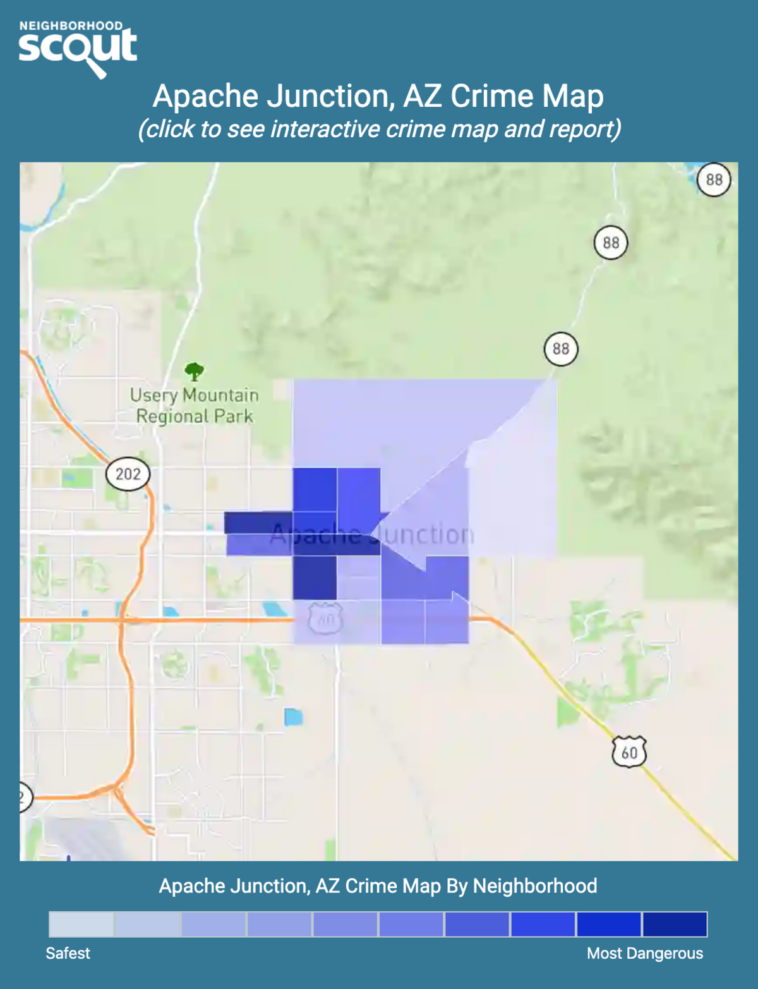

Local Justice and Community Transparency: A Deep Dive into Apache Junction’s Reported Incidents
Recent local reports have shined a light on theft and burglary incidents in Apache Junction, prompting a closer look at our community’s relationship with law enforcement and the media. As a dedicated observer of legal and civic matters, I feel it is essential to examine how these events are reported, how the media presents the information, and what that means for community trust. In this opinion editorial, I will get into the ways our local news supports transparency while also discussing how the current subscription model is shaping independent journalism in our region.
The Apache Junction Police Department has recorded two thefts and one burglary over the last week, a series of incidents that may appear as isolated events but also raise significant questions about public safety. Crime reports, like the burglary on South Royal Palm Road and thefts on North Ocotillo Drive and East Friar Avenue, serve not only as a record of sorts but also as a call to community vigilance. However, the way these events are reported has its own twists and turns—a maze of legal formalities, public safety messaging, and editorial discretion.
Improving the Clarity of Arrests Versus Convictions
One of the most contentious issues in local legal reporting is the distinction between arrests and convictions. Many media outlets, including our very own local journal, clearly note that the columns listing arrests are not a declaration of guilt. It is necessary to understand that if someone is later found not guilty or if charges are dropped, the record should be corrected. This principle is central to the fair administration of justice, ensuring that the initial troubled details do not continue to cast a long shadow over innocent lives.
Many readers sometimes confuse a police report with a final legal verdict. It is worth noting that the legal process is full of problems and subtle parts that require careful consideration. The media has a super important role in making sure that its reporting distinguishes between preliminary police reports and the established facts that emerge after rigorous legal debate and due process. This careful reporting is designed to steer clear of contributing to a climate of suspicion while still keeping the community informed.
- Arrest records are not convictions.
- Updated official reports must reflect decisions such as dropped charges.
- Transparency in reporting builds community trust.
In doing so, the media helps ensure that individuals are not left battling the intimidating aftermath of public suspicion due to preliminary reports. The tension between timely reporting and completeness of legal outcomes is evident in every headline and every published case detail. This is one of the tricky parts of managing public legal information: ensuring that the narrative remains balanced even amidst incomplete information.
The Role of Independent Journalism in a Digital Age
The landscape of local journalism is rapidly changing, thanks in part to digital subscriptions and the growing demand for unbiased reporting. Independent journalism has always depended on its readers, not just for financial support but also for its credibility. The advent of digital subscriptions has provided a double-edged opportunity: while it allows newsrooms to maintain their independence from big influences, it also charges the community a small fee for exclusive content that nourishes our collective understanding of complex legal and civic issues.
The current subscription model in our local community reflects an effort to sustain trustworthy journalism. For example, with a modest monthly contribution, readers can access endless in-depth analysis and news reports without the interruption of advertising clutter or the pressure of delivering sensationalist headlines. This is a small price for ensuring that the robust discussion about our community’s issues, including law enforcement accountability, continues without bias.
This is especially important in legal reporting where each detail can shape public opinion. Independent journalism remains a super important cornerstone of democracy in our community, allowing detailed coverage of events and legal challenges that affect everyday life. The subscription model, while sometimes viewed as off-putting by some users, is a necessary evolution in the face of an increasingly digital world where quality journalism often comes with a price tag.
- Digital subscriptions empower local newsrooms to remain unbiased.
- Quality journalism demands support from the community.
- Exclusive content helps keep the community informed on legal matters.
Community Safety and the Impact of Local Crime Reports
Reports of theft and burglary in Apache Junction serve as critical reminders of the ever-present challenges communities face today. It is easy to get overwhelmed by a spate of incidents and feel that the local law enforcement apparatus is loaded with issues that are too big to solve. However, examining the details of these cases offers insights into the nerve-racking yet necessary process of maintaining public safety.
The theft reported on North Ocotillo Drive and another on East Friar Avenue, coupled with the burglary on South Royal Palm Road, are more than just statistics. They represent the day-to-day realities that we, as a community, must address. These criminal activities are often accompanied by a series of small distinctions in their occurrence—details that make every case unique despite fallback on similar methods. In this sense, local newspapers must take the time to image and understand the subtle differences, however slight they might seem, to better aid local law enforcement and spread awareness.
In understanding the impact, one must consider:
- Patterns and Precautions: By tracking the incidents, law enforcement and residents can spot repeating patterns and take necessary precautions.
- Community Response: These reports serve as a springboard for community discussions that dig into local safety measures and neighborhood watch improvements.
- Preventative Steps: While acknowledging the unsettling nature of these crimes, it is helpful to view them as opportunities to refine security measures and build stronger bonds among residents.
This series of thefts and burglary, while disconcerting, also opens up a public dialogue about the best ways to cope with crime. It challenges local authorities to find a path forward that respects civil liberties, public safety, and the dignity of all community members.
Independent Legal Reporting: Balancing Transparency and Responsibility
Legal reporting always involves a tense balance between upholding transparency and maintaining responsibility. For many, the process of reporting on arrests and subsequent police reports can be confusing. The lines between mere allegations and confirmed legal outcomes are often tangled issues that require delicate handling. This is particularly important when initial reports might paint a person in a certain light while later developments point to a different reality.
How does this happen? Consider the following elements that juxtapose openness with fairness:
| Aspect | Challenge | Solution Approach |
|---|---|---|
| Arrests vs. Convictions | Initial reports provide partial information | Include clarifying statements and updates on legal outcomes |
| Continuous Reporting | Requires updating as the case develops | Establish a clear timeline for when a case is considered closed or revised |
| Public Perception | Can be skewed by premature or incomplete reporting | Maintain a neutral tone until legal proceedings conclude |
By laying out these details, we can see that responsible legal reporting involves an ongoing commitment to accuracy. This model of reporting goes a long way in avoiding misunderstandings that may arise from initially incomplete reports. It also shows the community that the news outlet is willing to sort out the small distinctions, ensuring that every piece of information stands the test of fairness.
Understanding the Role of Technology in Legal Reporting
Our modern digital age has redefined the way legal news is delivered and consumed. Unlike the old method of printed newspapers or broadcast channels, digital platforms are able to offer real-time updates as cases unfold. This is especially helpful in managing a series of complex criminal reports, like the recent incidents in Apache Junction that have triggered community concern.
Digital journalism can be a double-edged sword: on the one hand, it makes information more accessible to the public, allowing citizens to quickly get into the nitty-gritty of cases that affect their daily lives; on the other hand, it sometimes risks oversimplifying the fine points of legal procedures into broken headlines and snippets that lack the full context. This is one of the complicated pieces of our modern media landscape—making sure that the speed of information delivery does not come at the expense of comprehensiveness and accountability.
- Speed and Accuracy: Digital platforms must find a path that balances quick updates with detailed analysis.
- Accessibility: The right technological infrastructure allows people to easily track developments as they happen.
- Depth of Coverage: Digital subscribers often benefit from exclusive content that dives into the subtle details and makes the reporting more thorough.
In essence, technology has given us the tools to dig into legal matters more deeply than ever before. By using these tools responsibly, our media outlets can ensure that each report—especially those concerning arrests and immediate police reports—provides a balanced view that aides public understanding and supports a fair legal process.
Subscription Models: Upholding Independent Legal Journalism
The subscription model adopted by many local news portals is receiving widespread attention—not only for its economic implications but also for the idea that quality journalism is a public good. In many ways, our local media is akin to a community service, offering in-depth legal reporting and community updates. The subscription cost, often as low as $6.99 per month, works as an investment in an unbiased source of information that many of us rely on.
This small recurring contribution is super important because it ensures that news outlets can continue to cover the detailed process of legal reporting as they work through the twists and turns of balancing fast updates with considered analysis. Subscribed members gain access to exclusive editorials, in-depth discussions, and expert opinions that might otherwise be glossed over in a free-to-read model. For instance:
- Readers get immediate alerts on breaking legal news and local crime reports.
- Subscribed content includes comprehensive breakdowns of legal proceedings that go beyond surface-level news.
- Members are provided with background histories and context that allow them to better understand the confusing bits inherent in legal narratives.
This model does more than just generate revenue. It fosters a community in which citizens can count on fact-based, unbiased reporting without the interference of sensationalism or heavy advertising. It is a statement of commitment: that independent journalism remains key to protecting democratic values and ensuring that public discourse about law and order is free from undue bias.
Exploring Community Engagement Through Legal Reporting
The relationship between legal reporting and community engagement is full of problems but also bursting with opportunities. When citizens are presented with detailed accounts of events—backed by verified data and clear distinctions between allegations and outcomes—they are better prepared to participate in local civic matters. Consider the following points that drive community engagement:
- Public Meetings and Forums: Local newspapers often fuel awareness, which in turn prompts community gatherings or forums where law enforcement practices and public safety policies are discussed.
- Enhanced Vigilance: Detailed legal reporting encourages residents to take an active role in neighborhood watch programs and other local safety initiatives.
- Policy Input: An informed community is better positioned to suggest improvements to local policies governing crime reporting and law enforcement oversight.
By supporting independent legal journalism, community members are not only informed about the day-to-day realities of crime but are also invited to share in the complex decision-making process that shapes local law enforcement practices. This ongoing engagement is one of the smallest twists that can generate significant improvements in public policy.
A Closer Look at the Police Department’s Reporting Methods
The Apache Junction Police Department’s method of cataloging incidents—from thefts to burglary—provides a unique case study for legal reporting. The department, with its full range of community alerts, is working through how to effectively communicate the delicate balance between caution and clearance. Their reports are carefully constructed, often including details such as the time and location of incidents, and an invitation for those wrongly portrayed to contact the media for updates. This practice exemplifies responsible communication that takes into account both the rights of the accused and the need for public transparency.
However, the task of differentiating between preliminary reports and confirmed legal outcomes is a nerve-racking process for everyone involved. It involves unloading data that initially might be viewed with suspicion before further investigation confirms or refutes the claims. Some key points include:
- Accuracy Checks: Law enforcement agencies are constantly adjusting their internal processes to ensure accuracy in their reports.
- Public Outreach: By inviting those who have been misrepresented to come forward, the department demonstrates a commitment to fairness.
- Ethical Reporting: Local newspapers adopt similar practices, promising updates whenever a case evolves from an arrest to a legal resolution.
These measures are subtle yet paramount for maintaining the delicate balance between information and misrepresentation. They represent a practical approach to sorting out the many little details in legal reporting that, if left unchecked, could impede a fair and just process.
Balancing Community Safety Concerns and Personal Privacy
When it comes to crime reporting, particularly in cases of theft and burglary, local news outlets and police departments face the overwhelming challenge of balancing community safety with protecting an individual’s right to privacy. This careful balance requires diligent editorial judgment and adherence to ethical standards. The small distinctions between superficial reporting and a data-driven approach can make all the difference in how the public perceives the entire legal process.
There is always the potential for confusion when public reports do not clarify that an arrest is not a conviction. Misunderstandings in these situations can lead to undue stigma. It is essential that:
- All initial reports are updated as soon as further legal determinations are made.
- Innocent persons are given an opportunity to correct the record, thereby mitigating damaging stereotypes.
- The community remains reassured that legal outcomes will always be reported with a balanced tone.
This approach not only helps demystify the nerve-racking scenario for those involved but also encourages a deeper community dialogue on the importance of fairness and thorough fact-checking in legal reporting. It is a classic example of how the media must find a way to balance the need for public safety with respect for personal privacy.
Practical Steps for Community Involvement in Legal Reporting
Communities can take several practical steps to ensure that local legal reporting remains accurate, balanced, and useful. Local citizens are encouraged to get around actively participating in the legal discourse by:
- Attending Community Meetings: Regular forums provide a space for residents to ask questions directly of law enforcement officials and local editors.
- Reporting Discrepancies: If there is a perceived misreporting of an incident—such as listing arrests where there is no conviction—citizens can reach out to media outlets with updated information.
- Engaging in Local Watch Programs: Participation in neighborhood security and local safety initiatives offers tangible ways to support the community.
- Subscribing for Updates: Supporting media outlets through digital subscriptions ensures that quality, balanced reporting continues.
These steps are not only a way to enhance personal safety but are also instrumental in reinforcing the idea that legal news reporting is a community effort. When people contribute news tips or corrections, it helps the media better sort out the subtle parts of each case and maintain a standard of fairness that benefits all.
The Influence of Editorial Standards on Public Trust
Editorial standards are a cornerstone for building and maintaining public trust in local news media. The commitment by trusted newsrooms to separate opinion from fact, and to provide subtle details of legal cases in a balanced manner, is critical. It is the responsibility of every editor to ensure that the content not only informs but also respects the intricately woven fabric of local legal processes.
In our community, where legal reporting touches upon every facet of daily life, there are several key considerations:
- Transparency: Editorial content should always include clear disclaimers about preliminary reports versus finalized legal decisions.
- Clarity: Every piece of reporting should aim to explain the confusing bits of legal processes so that non-specialist readers can understand them.
- Responsibility: News outlets should commit to updating stories as new, verified information becomes available.
- Community Feedback: Inviting feedback and corrections from readers is a method to continuously improve the quality and accuracy of reporting.
These editorial practices are not just administrative details but are key measures that build a bridge between law enforcement, the media, and the community at large. By embedding these practices into everyday reporting, the media can enhance the public’s understanding of both the letter and the spirit of the law.
Reinforcing the Importance of Civil Discourse in Legal Discussions
In a world where public opinion can be heavily influenced by fast-moving headlines, it is essential that legal discussions are approached with a focus on civility and accuracy. Civil discourse in legal reporting is an underpinning factor that prevents the escalation of unfounded tensions in the community. When dealing with challenging subjects such as theft or burglary reports, it is crucial for news outlets to take the time to clarify all the little twists of the story.
The role of civil dialogue can be summarized as follows:
- Building Trust: Neutral language and balanced reporting help bridge divides between law enforcement and citizens.
- Fostering Dialogue: Open and respectful debates encourage diverse perspectives, letting the community get into discussions on how to improve safety and justice.
- Encouraging Accountability: When media outlets take responsibility for accurate legal reporting, it sets a higher standard for public officials and law enforcers alike.
- Promoting Understanding: By explaining every subtle detail of the legal process, the media helps the public understand how the justice system works in real time.
In the end, these practices serve to demystify the often overwhelming process of legal reporting, making it accessible for everyone. A well-informed community is a cornerstone of any robust democracy, and as such, respectful legal discourse remains a cornerstone of our civic life.
Looking Ahead: The Future of Local Legal Reporting and Community Engagement
As we look to the future, the question remains: how can local legal reporting continue to evolve to meet the needs of an increasingly connected and discerning community? The answer lies in embracing both the technological advancements available today and a renewed commitment to detail, fairness, and balanced storytelling. Local news outlets must work through the tricky parts of digital transformation, ensuring that every reader feels informed and empowered.
Some of the key strategies for the future include:
- Enhanced Digital Tools: Leveraging social media, interactive maps, and real-time updates to provide a more comprehensive picture of legal events as they unfold.
- Community Collaboration: Encouraging citizens to contribute to the news process, whether through tips, corrections, or participating in community forums that discuss local safety and legal issues.
- Transparent Practices: Continually refining the methods used to report preliminary incidents versus developed legal outcomes, so that every report can be understood in context.
- Educational Initiatives: Hosting workshops or online seminars where legal experts explain how the justice system works, thus illuminating the fine shades of legal reporting and reducing the sense of intimidation surrounding legal processes.
This multifaceted approach will not only bring local legal journalism into the modern age but will also reaffirm its role as an essential pillar of community support. Citizens who feel empowered by accurate and accessible news are more likely to participate in public discussions and work together to find solutions to common challenges.
Conclusion: A Call for Balanced, Informed Engagement
Apache Junction’s recent reports of thefts and burglary shed light on the nerve-racking reality of crime, while also highlighting the responsibility shared by local police departments and the media. As we get into the small distinctions between preliminary police reports and confirmed legal outcomes, the need for a balanced approach to reporting becomes clear. Independent journalism, bolstered by digital subscriptions and active community support, continues to pave the way for informed civic engagement.
Local legal reporting is not without its challenges—the twists and turns of reporting, ensuring fairness, and updating records as cases evolve are all complicated pieces of the day-to-day news cycle. However, by working through these sensitive issues with care and a commitment to accurate facts, our local media not only informs us but empowers us to be an integral part of the justice process.
As we move forward, let us embrace the crucial role of independent journalism. Let us support media outlets that take the time to sort out the confusing bits of legal reporting and explain the subtle differences that matter. In doing so, we reaffirm our commitment to a transparent, fair, and responsible justice system—one where every citizen has the ability to steer through the challenging landscape of modern law enforcement reporting with confidence and clarity.
Ultimately, community engagement in legal matters is a collective responsibility. It demands that we all take a closer look at how news is reported and how public records are interpreted. With informed citizens and a dedicated press, we can work together to ensure that every story—a delicate balance of fact, context, and nuance—is told with integrity and respect for the truth.
In this era of rapid digital communication and ever-changing crime dynamics, our community stands united—with trust in our local law enforcement and our media—ready to figure a path forward that honors both the need for public safety and the rights of every individual. The challenges are indeed intimidating, but so too is our resolve to make our community safer, fairer, and more informed about the legal processes that affect our everyday lives.
The coming years will bring new challenges and, undoubtedly, new stories. But with a clear commitment to transparency, fairness, and community involvement, local legal reporting will continue to serve as both a pillar of democracy and a beacon for truth. Let us remain vigilant, curious, and compassionate as we work together to create a system that values both accountability and the human dignity of every citizen.
Originally Post From https://www.yourvalley.net/apache-junction-independent/stories/2-thefts-1-burglary-reported-in-apache-junction-to-ajpd,628926
Read more about this topic at
Latest crime news and headlines – CBS New York
CRIMEWATCH NY