FBI Crime Data Reporting Reimagined: A Closer Look at Arizona and National Trends
The recent switch by the FBI from quarterly to monthly crime data releases has sparked a fascinating debate—not only about how we measure and interpret crime but also about the practical effects these changes have on local communities. In Arizona, where violent crime rates appear to be diverging from national trends in several key categories, these new data reporting methods allow officials, policymakers, and concerned citizens to get into the nitty-gritty of trends in a more timely fashion. This opinion editorial takes a closer look at the shifts in crime patterns, the subtle parts affecting Arizona’s public safety, and how these changes influence our understanding of complex legal landscapes.
As we dive in, it’s important to note how the intricacies of data collection have a ripple effect on community confidence and public policy. With monthly updates, law enforcement agencies and local governments can now figure a path through the confusing bits of crime trends that were previously obfuscated by quarterly reports. This finer level of detail helps us understand all the fine points and little details that might have otherwise been overlooked.
Monthly Crime Data: A Catalyst for More Timely Insights
The FBI’s decision to release monthly crime data transforms the dynamics of how trends are observed and acted upon. Previously, crime statistics were reported on a quarterly basis, which meant that significant twists and turns in the data could go unnoticed for months. With the new system, subtle shifts in crime rates are reported almost as they occur, allowing for immediate attention to weighted issues.
This change is a double-edged sword. On one hand, law enforcement now finds it easier to spot nerve-racking increases in specific categories such as aggravated assaults and robberies, particularly in Arizona. On the other hand, the barrage of more frequent updates can be overwhelming for community leaders who may struggle to make sense of short-term fluctuations. Many might say that this approach has its own confusing bits—tracking many small distinctions may require extra energy to determine what trends are temporary versus systemic. However, by taking a closer look at monthly data, analysts can better tease out the fine shades that indicate either a shifting pattern or a temporary spike.
In summary, the monthly reporting method is both a blessing and a challenge. It demands that leaders manage more data points over shorter time frames, yet it also offers a real-time snapshot that can be essential for early intervention strategies.
Aggravated Assault in Arizona: A Troubling Trend
One of the most worrisome findings in the new data is the disturbing rise in aggravated assault rates in Arizona. While national trends show a modest decrease in such incidents, Arizona’s rates have taken a concerning upward turn. In April, the national average recorded 20.7 assaults per 100,000 people, while Arizona’s rate was significantly higher at 24.6 per 100,000—a gap that has only grown since last year.
This trend raises a number of questions. What are the underlying factors contributing to this sharp increase? Some experts suggest that local socio-economic conditions, coupled with the stress of rapid urbanization in some parts of the state, might be fueling this spike. Others believe that changes in law enforcement practices and the evolving nature of crime might be affecting the way assaults are both reported and recorded.
It is important to note that while the national rate dropped by 5% compared to April of the previous year, Arizona experienced a staggering 22% increase. This divergence calls for a discussion about the specific needs and challenges faced by Arizona’s law enforcement. The responsibility now falls on local agencies not only to analyze the tricky parts of these rising numbers but also to devise carefully nuanced strategies aimed at reversing this trend.
In this context, community outreach programs, increased pedestrian and vehicular patrols in high-risk areas, and tighter security measures in public spaces may play a role. Nonetheless, each of these strategies needs to be tailored to the conditions unique to Arizona—an endeavor that is both full of problems and essential to reinforce community trust.
Homicide Rates: Small Distinctions with Big Implications
Despite the anxiety surrounding other violent crimes, both Arizona and the country at large recorded the same homicide rate of 0.4 per 100,000 people in April. However, a deeper dive into the trends reveals minor yet significant differences. National homicide rates are plummeting—a 31% decline since April 2022—while Arizona’s homicide rate has only dipped by 8% in the same period.
This subtle difference, while seemingly small, might have major implications for public policy and community perception. When the numbers appear identical at first glance, the hidden complexities lie in the pace of improvement, or the lack thereof. Nationally, the trend appears to suggest a gradual improvement in the effectiveness of homicide prevention initiatives. In Arizona, the slower decline might indicate that certain problems remain unaddressed. Community leaders here must now work diligently to identify the little twists that might be contributing to this slower rate of decline.
In many ways, homicide rates stand as a critical indicator of a community’s overall well-being. When these rates decrease substantially, it often points to effective policing, better mental health support, and robust community programs. Therefore, even a slight difference in decline can be viewed as an early warning sign that re-evaluation of current strategies might be necessary. This issue is particularly nerve-racking for communities already dealing with other challenging aspects of crime.
Robbery in Arizona: An Alarming Shift in Trends
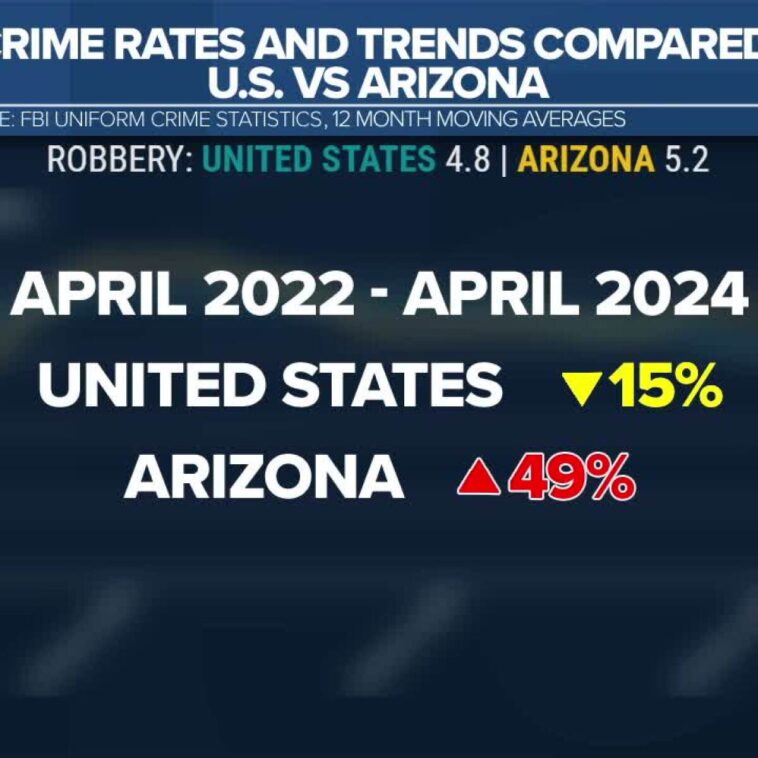
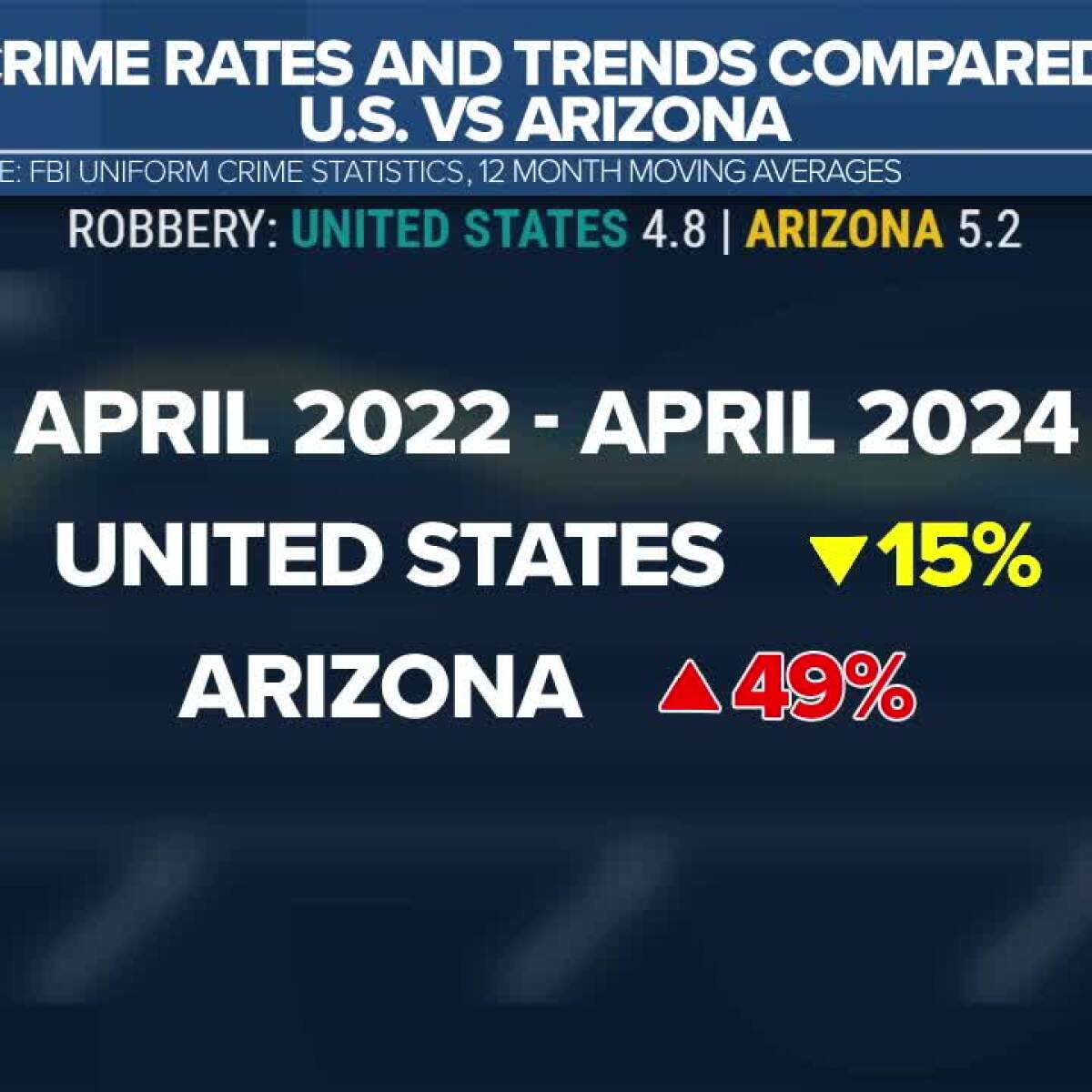
Robbery rates in Arizona present another segment of the data that invites urgent attention. National data shows 4.8 robberies per 100,000 people, yet Arizona tilts slightly higher with 5.2 robberies per 100,000. What makes this difference more concerning is the trend observed in recent years. While the national rate not only remains steady but exhibits a slight decrease, Arizona’s robbery rate has spiked—jumping by 49% compared to April 2022.
This jump in robbery rates suggests that there may be local factors at play that are exacerbating crime in Arizona. A few elements could be responsible:
- Economic uncertainty in certain areas leading to increased desperation,
- Shifts in criminal networks taking advantage of community vulnerabilities, and
- Potential changes in reporting practices that could reflect a heightened willingness to report thefts.
Each of these points underscores the importance of local crime strategies that are both dynamic and adaptive. For community members, the potential for rising robbery rates translates to a need for increased vigilance and community-led neighborhood watch initiatives. It might also require collation of law enforcement, community associations, and local government bodies to find your way through the tangled issues that may be fueling this disproportionate rise in robberies.
Motor Vehicle Theft: Mixed Signals and Historical Progress
Even though motor vehicle theft is not classified as a violent crime, it provides interesting insights into statewide trends. Recent data indicates that both Arizona and the national figures registered rises in motor vehicle theft from 2022 up until 2024 before witnessing a decline. Today, the rates between the two are nearly identical, yet the overall trends diverge. While the national motor vehicle theft rate is down 9% compared to April 2022, Arizona’s rate is up by 25% over the same period.
This mixed picture offers key lessons in how public safety improvements can vary by region. Historically, Arizona was plagued by motor vehicle theft rates that were more than double the national average—an issue that forced local authorities to implement stringent measures to protect property. Over time, these measures have borne fruit; today, the rates have essentially aligned with national figures. Still, the recent uptick in Arizona’s motor vehicle theft rates prompts further scrutiny and suggests that the work is not done. Some possible causes for the current divergence might include:
- Shifts in local economic conditions affecting crime motivation,
- Law enforcement resource allocation that may not be fully adequate to meet current challenges, and
- Regional differences in seasonal or environmental factors that could influence theft patterns.
While the long-term progress made in combating auto theft in Arizona is commendable, there is a clear need to keep an eye on these rising trends, especially if they continue to deviate from national improvements.
Data-Driven Public Safety: Challenges and Opportunities
Transitioning to monthly reporting has given stakeholders not just more immediate snapshots, but also rich and detailed datasets to work through. This level of detail can be appreciated by policy developers and community advocates alike. Nonetheless, the flood of information can be overwhelming. For many, this new approach might feel off-putting due to its sheer volume and the nerve-racking pace at which shifts must now be tracked.
There are several tricky parts worth highlighting when examining this new reporting system:
- Immediate Responsiveness: Local law enforcement and policymakers now have to figure a path through rapidly changing data. While this means issues can be addressed sooner, it also implies there is less time to reflect on long-term trends.
- Data Interpretation: With monthly snapshots, even temporary fluctuations can be misinterpreted as longer-term shifts unless analyzed carefully. It requires extra attention to differentiate between seasonal swings and actual progress or regression.
- Public Communication: Conveying these frequent updates to the public in an accessible way is a challenge in itself. Balancing transparency with clarity is a nerve-racking task, as too much information can lead to misunderstandings or unwarranted panic.
Despite these challenges, having access to finer data is, without doubt, a super important tool in the fight against violent crime. By getting into the hidden complexities of crime patterns, community leaders can employ more targeted strategies, from intensified policing in key areas to initiatives aimed at crime prevention. In addition, immediate responses inspired by monthly data can help reduce situations that might otherwise spiral into full-blown crises.
Understanding the Data: Breaking Down the Nitty-Gritty
To appreciate the full picture, it is worth diving in and breaking down the subtle parts of how these statistics are compiled and reported. What do these numbers really say about our communities? Consider the following table, which synthesizes some of the key data points:
| Crime Category | National Rate (per 100,000) | Arizona Rate (per 100,000) | Change Since April 2022 |
|---|---|---|---|
| Aggravated Assault | 20.7 (Down 5%) | 24.6 (Up 22%) | + |
| Homicide | 0.4 (Down 31%) | 0.4 (Down 8%) | + |
| Robbery | 4.8 (Down or steady) | 5.2 (Up 49%) | + |
| Motor Vehicle Theft | Same (Down 9%) | Same (Up 25%) | Mixed |
This table, while simplified, helps clarify the fine shades and subtle differences between national trends and Arizona’s specific patterns. Such visual aids are invaluable in presenting complicated pieces of data in a way that processes the many little details required to form an accurate picture of current public safety challenges.
The data unequivocally shows that while the nation is experiencing gradual declines in certain violent crimes, Arizona appears to be facing a set of challenging and tangled issues that need urgent and precise attention. This divergence suggests that local authorities might need to reexamine their current strategies and figure out alternative avenues that target crime in a more localized manner.
Community Impact and Local Policy Decisions in the Wake of Changing Data Trends
How do these emerging trends translate to the local community, and what role does public policy play in addressing these challenges? The monthly FBI crime release system reveals that not all regions benefit equally from national strategies. While some areas experience immediate improvements, Arizona continues to lag behind in several key areas. This situation underscores the need for tailored policy measures that are developed with an eye to specific local conditions and demands.
Local leaders have several immediate policy alternatives to consider:
- Enhanced Data Analytics: Investing in advanced data analytic tools can help authorities pinpoint exactly when and where spikes occur, making it easier to make your way through the tangled issues presented by monthly reporting.
- Community-Based Programs: Programs designed to build trust between the public and the police force can lessen the nerve-racking tension that often accompanies rising crime rates.
- Targeted Resource Allocation: By examining monthly trends, communities can more efficiently direct resources to areas and categories experiencing significant upticks, like aggravated assault and robbery.
- Collaborative Public Safety Initiatives: Partnering with local organizations, schools, and businesses helps create a network of support that acts as both prevention and response to sudden crime escalations.
Each of these measures has the potential to address critical sectors of the problem, providing a more tailored approach to public safety that is both proactive and reactive. However, the success of these strategies rests not only on effective implementation but also on clear communication with the community. Explaining the reasons behind these policies—and how they tie into the monthly data reports—can help demystify the process and build community resilience even in the face of intimidating crime statistics.
Understanding the Regional Differences: The Devil Is in the Details
When comparing Arizona’s crime trends to those nationwide, one cannot help but notice the significant regional differences. These are not random fluctuations but rather discernible patterns that hint at underlying causes unique to Arizona. It is important to stress these subtle details including socio-economic drivers, population demographics, and historical trends in criminal behavior.
For example, while aggravated assault rates in other states might be on a slight decline or holding steady, Arizona’s rates have shot up dramatically. This divergence may be loaded with issues such as rapid urban expansion, fluctuations in employment sectors, and even differences in reporting practices. It is these finer points that community leaders need to sort out as they formulate responses to the evolving situation.
In many cases, convergence in certain figures—such as the current equivalence in motor vehicle theft rates between Arizona and the nation—suggests that improvements are possible with sustained effort. Yet, until these improvements permeate all areas of violent crime, it is imperative to keep a balanced perspective. Critics might argue that monthly data spur knee-jerk reactions rather than thoughtful policy adjustments. However, such reactions can be mitigated if the data are understood in their complete context, one that thoroughly accounts for all the tricky parts and subtle distinctions involved.
Balancing Regional Priorities With National Crime Trends
The challenge for policymakers in Arizona is to find the right balance between addressing issues that appear region-specific and aligning with national trends. The disparity between the 22% increase in aggravated assault rates in Arizona and the 5% decrease nationally paints a picture of regional upheaval that requires an equally tailored response. As community members and legal experts take a closer look at monthly FBI reports, the need for customized solutions becomes all too clear.
This balancing act involves several key steps:
- Data Contextualization: Understanding that numbers are more than just figures, community stakeholders must piece together the regional history behind these trends.
- Community Consultations: Direct conversations with diverse community groups can reveal the nerve-racking issues behind the statistics that raw data might mask.
- Legal and Policy Reform: Adjustments to local laws and regulations should reflect statistical trends, thereby ensuring local governance is both reactive and preemptive.
Such a balanced approach necessitates efficient communication between law enforcement officials, policymakers, and the general public. The need to figure a path through these tangled issues is paramount—not only to lower crime rates but to maintain the delicate equilibrium between national average improvements and regional anomalies.
Interpreting Crime Data: A Community’s Perspective
Beyond the numbers lie the very real impacts on local communities. Rising violent crime in Arizona does not simply represent abstract percentages; it translates into real-life experiences of fear, uncertainty, and sometimes, deeper social tension. When residents hear that their community has experienced a 49% uptick in robberies, the reaction is naturally one of alarm. At the same time, understanding that the national trend is down by a few percentage points can create a sense of dissonance and frustration.
Community leaders, therefore, must take deliberate steps to address this disconnect:
- Transparent Communication: Keeping the public informed about the context behind the numbers can help alleviate some of the overwhelming anxiety linked with sudden spikes in violence.
- Grassroots Initiatives: Empowering neighborhood associations and creating local safety committees can provide both support and preventive measures that nerve-racking statistics alone cannot.
- Proactive Engagement: Town halls, public forums, and social media outreach can serve as platforms where residents get into the details of crime reports and discuss feasible solutions.
By focusing on these approaches, local communities can begin to figure a path through the hidden complexities of fear and uncertainty. These measures not only reaffirm public trust but also underscore that while the monthly data may reveal some intimidating challenges, they do not conclusively define the future.
Online Resources and Community Tools for Interpreting Crime Rates
In the digital era, community members are increasingly turning to online platforms to understand and track crime data. Interactive maps, data portals, and mobile applications provide residents with the means to stay informed on local crime trends and even receive immediate alerts about incidents in their areas. This technological approach represents a vital tool in the local safety arsenal.
Some of the online resources that have proven useful include:
- Interactive Crime Maps: These tools allow users to get a closer look at where certain crimes are concentrated, making it easier to plan safe routes and avoid nerve-racking hotspots.
- Community Alert Systems: Mobile apps and email newsletters help disseminate information quickly, turning monthly data into actionable community alerts.
- Data Visualization Platforms: These platforms transform raw numbers into charts and graphs that reveal the subtle details—those little twists—that help the average citizen understand long-term trends.
With these tools at their disposal, residents can make informed decisions about their personal safety and contribute feedback to lawmakers and local authorities. By enabling the average person to get into the nitty-gritty of crime statistics, technology focuses on demystifying the nerve-racking bits of the data while reinforcing community resilience.
Historical Perspective: How Past Trends Inform Future Strategies
Looking back at the evolution of crime in Arizona offers a valuable lesson: progress, though sometimes slow and steady, is achievable. In the 1990s and early 2000s, Arizona struggled with motor vehicle theft rates that soared well above the national average. Over time, persistent policy reforms, community engagement, and improved data analysis allowed the state to pull those numbers down to parity with national figures.
This historical context provides both hope and a blueprint for addressing current challenges in violent crime. While trends like the 22% increase in aggravated assaults and the 49% jump in robberies are concerning, they can serve as a call to action. Their lessons remind us that piecemeal improvements, when combined with community engagement and legal reform, can eventually shift the trajectory in a positive direction.
By comparing past successes to present challenges, policymakers can dig into what worked and what didn’t. This process of comparing historical trends—full of problems and tangled issues—to current data enables us to refine our approach and avoid repeating mistakes. In a sense, the past serves as both a guide and a warning. When past strategies helped lower auto theft, similar targeted measures might well be applied to more violent crimes now on the rise.
Policy Implications: Strategies for a Safer Future
The current surge in certain crime categories in Arizona demands that local government officials, law enforcement, and community leaders align their strategies to effectively address these issues. Here are some critical policy considerations based on the new data trends:
- Enhanced Funding for Community Policing: Increased training and resources for law enforcement can help them make your way through the nerve-racking short-term data and build trust with local communities.
- Investment in Data Analytics: With monthly data updates, there’s an essential need to invest in technology that can identify trends in real time. Better data-driven analysis can help stakeholders figure out not only the causes behind rising crimes, but also pinpoint small distinctions in areas hit hardest.
- Collaboration with Local Organizations: Partnering with community groups provides a dual benefit: it helps disseminate information quickly and also incorporates the public’s voice in shaping responsive policy measures.
- Continuous Monitoring and Feedback: Establishing forums for regular community feedback ensures that policy adjustments can be made in response to the latest trends, thus smoothing the nerve-racking twists and turns of crime statistics.
These policy measures not only address the immediate issues reflected in the latest data but also set the stage for long-term improvements in public safety. By embracing a culture of continuous learning and adaptation, Arizona can become a model for other regions grappling with similar challenges.
The Role of the Legal Community in Interpreting and Acting on Data
It is crucial that legal experts, policymakers, and public safety officials work together to make sense of the maze of crime data now available on a monthly basis. The legal community, in particular, stands at a unique intersection—where interpretation of data meets the formulation and enforcement of law. Understanding the small distinctions in data trends can lead to better-informed decisions regarding sentencing guidelines, resource allocation, and legislative reform.
Lawyers, judges, and policy advisors must all be prepared to:
- Examine the fine points and little details in the data sets that affect crime trends,
- Consider historical context and local conditions when evaluating current trends, and
- Propose measures that are agile enough to respond to the fast-changing dynamics indicated by monthly statistics.
This collaborative effort is key to designing a justice system that both reflects and responds to evolving social conditions. It is our hope that by working through these challenging pieces of data together, the legal community can help foster a climate of safety and assurance that benefits all dwellers in Arizona.
Charting a Course Through Tricky Parts: The Importance of Community Engagement
Given the numerous challenges presented by the new monthly reporting system—from deciphering temporary spikes to understanding long-term trends—it is clear that the data alone cannot serve as the sole guide. Community engagement is super important for translating these numbers into actionable change. A well-informed, engaged public is less likely to be overwhelmed by intimidating statistics and more likely to support data-driven initiatives designed to improve safety.
Efforts to involve community members might include:
- Regular public meetings where updated crime statistics are discussed in an accessible format,
- Workshops designed to help residents learn how to interpret crime data and apply that knowledge to their daily lives, and
- Partnerships between law enforcement and local schools or community centers to foster a shared responsibility for public safety.
By bridging the gap between data and everyday life, Arizona’s communities can build a more cohesive and resilient approach to managing crime. Having clear channels for dialogue can help demystify the trends and ensure that policies aren’t seen as off-putting top-down edicts but as responsive measures developed in conversation with the public.
Facing the Future: Challenges and Opportunities Ahead
As we stand on the brink of this new era in crime reporting, the road ahead is both laden with challenges and illuminated by opportunities. Arizona’s experience offers a striking example: while some violent crimes continue to rise, other areas have seen encouraging progress—particularly with motor vehicle theft. These mixed signals underscore the need for targeted and agile responses that can adapt to local dynamics.
Looking forward, key considerations include:
- Ongoing Analysis and Adaptation: Policymakers must maintain a flexible approach by continuously monitoring the data and adapting policies as necessary. This constant cycle of feedback and adjustment is crucial for working through the shifting twists and turns of local crime trends.
- Investment in Technology: As technology evolves, so too should the methods of data collection and dissemination. Investing in advanced systems can help municipalities get around the complicated pieces of crime analysis and optimize resource allocation.
- Holistic Community Strategies: A comprehensive approach that includes legal, social, economic, and educational components will be necessary to promote long-term safety and reduce the apparent disparities between Arizona and national trends.
Ultimately, the adoption of monthly crime data updates by the FBI is a significant step forward in our ability to capture the nitty-gritty details of criminal activities. While some figures are indeed off-putting and highlight areas where Arizona lags behind national improvements, they also provide a roadmap for where enhanced community initiatives, policy reforms, and legal collaborations can make the difference.
Conclusion: The Road to Safer Communities Requires Collaboration and Adaptability
In conclusion, the shift from quarterly to monthly FBI crime data releases has opened up a new chapter in understanding public safety. Arizona’s experience—with its unsettling rise in aggravated assaults, a less dramatic drop in homicide rates, and an alarming jump in robberies—serves as a clear reminder that local conditions matter. While the national trend is one of cautious improvement, the finer points of Arizona’s data demand our undivided attention. By digging into the little details and working through these tangled issues together, communities can develop smarter, more targeted policies that ultimately reduce crime and foster public trust.
Community leaders, legal experts, and concerned citizens must be proactive in the coming months. The detailed monthly data not only acts as a mirror reflecting the current state of public safety but also as a beacon guiding us toward more effective, community-centered solutions. As we adjust to this new approach to crime reporting, let us remember that agile policy-making, focused community engagement, and clear legal frameworks are must-have elements in crafting a safer future for all.
Every community faces its share of intricate challenges and nerve-racking surprises along the way. However, armed with timely data and the collective will to make changes, Arizona and other regions can find their way through the maze of rising crime statistics. Instead of falling prey to confusion or despair when confronted with these numbers, stakeholders are encouraged to take a measured, analytical approach—one that navigates both the strengths and weaknesses of current trends. With informed strategies built on a foundation of detailed analysis and public collaboration, the hope for safer streets is well within reach.
The coming years will undoubtedly bring more twists and turns, and while the statistics might be intimidating, they present an opportunity for improvement. In the end, public safety is a shared responsibility—one that requires constant vigilance, open dialogue, and a readiness to adapt. By embracing these principles, we move closer not only to understanding the present complexities of violent crime but also to building a future where communities can thrive in environments that are secure, supportive, and resilient.
It remains to be seen how the state will address the emerging issues signaled by the monthly crime reports. However, the evidence is clear: more nuanced, region-specific strategies are needed. Legal professionals, policymakers, and community leaders must come together to review the subtle parts of our current crime statistics and identify practical solutions. Only by working through the challenging details and harnessing the potential of real-time data can we hope to reverse the unsettling trends and ensure that every resident feels secure in their neighborhood.
In the spirit of constructive dialogue and continuous improvement, let us view this period as not one of discouragement, but as a call to action—an opportunity to make our legal and civic communities even stronger. With determined efforts, laser-focused policies, and the insights derived from detailed data analysis, a safer, more vigilant Arizona is on the horizon.
Originally Post From https://www.abc15.com/news/state/data-most-arizona-violent-crime-rates-rise-while-us-rates-decline
Read more about this topic at
When Crime Statistics Diverge
Did Violent Crime Go Up or Down? Yes, It Did.