
Campus Crime Reports in Mesa: A Closer Look at Recent Data Trends
The issue of campus crime has become a topic that stirs up plenty of discussion. In recent times, data gathered at Mesa’s college campuses—including ASU Poly, Mesa Community College, and Benedictine University—has highlighted some tricky parts in our understanding of crime on academic grounds. This editorial aims to dig into the numbers and narrative behind these statistics, and to take a closer look at what this information means for students, staff, and the broader community.
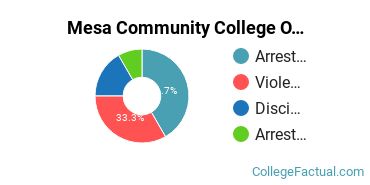
In 2024, the reported numbers at Arizona State University’s Polytechnic Campus in Mesa raised eyebrows. The campus recorded five criminal offenses: three incidents categorized as fondling, one burglary, and one instance of motor vehicle theft. Compared to 2023, this represents an increase of three cases. Furthermore, the Violence Against Women Act reports showed an increase as well, with 2024 counting two stalking incidents and one report of dating violence against only one reported stalking case in the previous year.
Analyzing these figures brings up several tangled issues, including the accuracy, context, and broader implications of campus crime data. Many stakeholders, ranging from university administrators to concerned community members, are left trying to figure a path through these statistics, and this editorial serves to offer some insight into those absorbing figures.
Breaking Down the Data: Key Crime Categories on Campus
The campus crime report from Mesa structures its data around several crime categories, with each category telling part of a much larger story. As we sort through the fine points of these numbers, we notice that the increase in fondling and other violent offenses requires more than a surface glance. Instead, it provides an opportunity for community discussion about prevention and self-protection measures on campuses.
Understanding Fondling and Burglary Incidents
One of the more notable figures from the recent report is the report of three fondling incidents. These cases, while numerically small, highlight the subtle parts of what constitutes unwelcome behavior on campus. Fondling, in this context, is not just a statistic—it represents personal violations that can deeply affect the victims and lead to longer-term emotional and psychological challenges.
- Understanding victim impact: The immediate effects on those affected go far beyond the data points.
- Improving support systems: Campus authorities must provide clear reporting mechanisms and robust support to survivors.
- Preventive measures: Regular workshops and self-defense training sessions are a few ways to help students feel empowered.
Similarly, the burglary and motor vehicle theft incidents raise questions about the security measures in place at campus facilities. These occurrences may seem like isolated events, but they contribute to the overall sentiment of safety or the lack thereof, with students and faculty sometimes feeling that the system is off-putting in its ability to protect personal property and security.
Violence Against Women Act Offenses: A Closer Look
The increased instances of reported stalking and dating violence act as a mirror into broader societal issues on campus. While the numbers in this reporting period may appear small, each report is a story of personal distress and a call for more vigilant monitoring and prevention strategies.
Some of the complicated pieces involved in handling these offenses include:
- Ensuring accurate and prompt reporting by all parties involved.
- Creating a supportive environment where victims feel safe to come forward.
- Developing comprehensive policies that clearly address both prevention and the appropriate responses to such cases.
It is essential for campuses to see such incidents not just as isolated data points, but as part of a broader framework that affects campus climate and student well-being.
Comparative Analysis: How Mesa Campuses Measure Up
The competition among campuses such as ASU Poly, Mesa Community College, and Benedictine University in terms of campus safety is not about rubbing successes in each other’s faces, but rather about recognizing areas where improvements are needed. Each institution collects data diligently—often according to federally mandated guidelines—yet the interpretation and subsequent actions can vary widely.
Comparing Statistical Trends Over the Years
When comparing data between 2023 and 2024, it becomes clear that the figures have experienced subtle shifts. Although an increase by three cases in some crime types might seem less alarming when seen in isolation, this uptick is a sign for campus administrators and community leaders to review their safety protocols. It’s a signal that even if the reported numbers are relatively low, there is always room to enhance the security and reporting systems.
A few key observations include:
- The rise in fondling cases, though limited in number, demands an immediate and sensitive response.
- Violence Against Women Act offenses showing variability over the years point to the need for continual education and training.
- Burglary and theft, even if singular, highlight potential vulnerabilities in campus infrastructure.
These comparisons offer important insights into the overall safety culture on campus, and making your way through these changes requires a balanced look at both the numbers and the human elements behind them.
Community Perspectives: Voices on Campus Safety
The campus crime statistics have a ripple effect on community sentiment. The educational community—students, parents, faculty, and local residents—all have a stake in how safe the campus environment is perceived. The reported data, though objective, is interlaced with subjective experiences and personal safety stories that paint a fuller picture than numbers alone can convey.
Student and Family Concerns
For students and their families, campus safety is not a matter of abstract numbers but a daily reality. Stories of incidents like fondling or vehicle theft can spark anxiety and a feeling of being overwhelmed in a setting that should foster learning and personal growth. Many families are left wondering:
- Are the current security measures sufficient for an ever-changing set of challenges?
- How can students best protect themselves in situations that somehow escape preventive measures?
- What additional resources or support systems could help ease these worries?
Such questions require not just answers in the form of data, but robust community engagement and responsive action from campus authorities. Open dialogue is essential here, as it bridges the gap between administrators and community members, allowing for a more comprehensive approach to tackling campus crime.
The Role of Faculty and Campus Administrators
Faculty and administrators are at the heart of creating a safe environment. Their responsibilities include both ensuring that campus policies are up to date and actively engaging in conversations about safety with their students. With the latest statistics in hand, administrators have a nerve-racking task: to take the wheel and translate data into actions that directly boost campus security and student well-being.
Key steps include:
- Regular audits of campus security infrastructure, including surveillance systems and emergency response readiness.
- Organizing community meetings to discuss safety protocols and to listen to student concerns.
- Training sessions that empower both staff and students to understand and react to potential threats.
By addressing these points, campuses can find their way toward an environment where safety is not just a set of numbers, but a lived, dynamic reality.
Policy and Prevention: Working Through the Fine Points of Campus Crime
The reported crime statistics serve as both a mirror and a map. They mirror current challenges and provide a roadmap for areas that need improvement. Examining the fine details, several practical strategies emerge that can build a foundation for safer campuses.
Implementing Robust Reporting Mechanisms
A primary element in maintaining campus safety is the availability of thorough and accessible reporting mechanisms. Many victims struggle with making their voices heard, particularly if the process to report an incident is intimidating or overly complex. The following strategies might help ease these tangled issues:
- Creating an anonymous reporting system: This can encourage more victims to come forward without the fear of being judged or retaliated against.
- Simplifying the reporting process: Offering multiple avenues—such as online forms, dedicated hotlines, and in-person reporting—helps remove the nerve-racking barriers that might discourage reporting.
- Ensuring confidentiality and support: When a report is filed, quick action and comprehensive support should follow, ensuring victims feel both safe and respected.
Enhanced Collaboration with Local Law Enforcement
Campus safety initiatives should not exist in isolation from the local community. Collaborative relationships with local law enforcement are super important for both prevention and swift response. In making your way through the steps of collaboration, consider the following:
- Regular joint training sessions: These can help campus security staff and local police understand each other’s systems and procedures, reducing the chances of miscommunication during an emergency.
- Shared intelligence and resources: A cooperative approach ensures that both campuses and local authorities are up to date with any emerging trends or patterns in criminal activity in the region.
- Community-based initiatives: Events like safety fairs, self-defense workshops, and open forums encourage dialogue and build trust between law enforcement and the campus community.
Educational Programs and Awareness Campaigns
Another effective way to steer through campus safety challenges is to empower students with knowledge. Education plays a pivotal role in preventing crime and encouraging proactive behavior. Awareness campaigns that cover topics such as personal safety, bystander intervention, and the proper use of emergency resources can help equip students with the tools they need.
To break it down further:
- Host regular workshops: These sessions can focus on situational awareness and provide practical advice on how to manage unexpected situations on campus.
- Incorporate safety topics into student orientation: Making campus safety a key agenda item for new students sets the tone right from the start.
- Utilize social media: Digital campaigns can extend the reach of safety education efforts beyond the campus borders, engaging students in interactive and memorable ways.
Addressing the Subtle Parts in Campus Crime Data Reporting
One of the central elements when looking at campus crime reports is the understanding that numbers do not always tell the entire story. The hidden complexities behind these data sets require us to consider several small distinctions that can significantly affect the interpretation of the data.
The Importance of Context in Crime Statistics
Context matters. A reported increase in a particular category, such as fondling or dating violence, might seem to indicate a growing trend but could also be the result of improved reporting processes or heightened awareness among campus community members. It is essential to appreciate that statistics alone cannot reveal subtle personal dynamics or underlying pressures that might be influencing these numbers.
Some of the small distinctions include:
- The effect of increased awareness and education on reporting practices.
- The potential for changes in campus policies that encourage more transparent communication.
- Environmental factors like changes in campus infrastructure or a shift in the local population demographics.
These subtle details are key to understanding the larger picture. When data is viewed simply as a series of numbers, the bigger story often remains hidden. Instead, what is needed is a nuanced approach that takes both statistics and human experience into account, allowing campus authorities to figure a path forward that addresses both prevention and support.
The Role of Transparency and Public Access
Transparency is not just a buzzword—it is a must-have quality in maintaining trust between campus authorities and the community. When statistical data is openly shared, it builds a bridge between those who report the crimes and those who seek to understand them. The federal mandate for campus-security reports is an example of how transparency can be built into the system.
A clear, open data policy can yield benefits like:
- Building trust among campus students and local residents.
- Encouraging other institutions to adopt similar reporting practices, thereby raising the overall standard for campus safety.
- Allowing researchers and policymakers to work on fine-tuning strategies that are responsive to emerging trends.
Ultimately, this arrangement cultivates a sense of accountability, ensuring that every count represents not just a number but a real-life situation that demands attention and action.
Impact on the Broader Community: Beyond Campus Boundaries
The ripple effects of campus crime statistics are felt well beyond the confines of the college gates. Communities around campuses are on edge, with local residents often expressing concerns about how increased campus crime could spill over into nearby neighborhoods. This interconnectedness means that the safety of campuses is a community issue and that a secure campus translates to a secure community.
Community Safety and Local Resources
Local safety resources—such as neighborhood watch programs, community policing, and local emergency response teams—play a crucial role in supporting campus security initiatives. The shared responsibility between universities and local law enforcement ensures that safety is a collaborative effort where everyone’s voice matters.
Key points to consider include:
- Strengthening ties between campus security and community patrols.
- Regular community meetings where issues can be discussed, ideas shared, and new safety measures proposed.
- Promoting a culture of vigilance where local residents, faculty, and students work together to spot and report suspicious activities.
By taking these steps, campuses and communities together can mitigate the nerve-racking aspects of safety concerns and cultivate urban areas that are resilient in the face of challenges.
Supporting Vulnerable Groups and Ensuring Equitable Safety Measures
The impact of campus crime statistics is not uniform—certain groups of students may feel the effects more deeply than others. Gender, socioeconomic background, and personal circumstances can make the experience of crime more overwhelming for some individuals. As an editorial outlook, this calls for tailored prevention and support strategies aimed particularly at vulnerable groups.
Effective measures include:
- Creating specialized support networks for victims of sexual harassment and stalking.
- Providing counseling and recovery programs that are accessible to every student.
- Ensuring that safety resources are distributed fairly, especially in areas where community challenges are more pronounced.
These focused steps ensure that the broader safety initiatives do not overlook those who may need a little extra support in their journey through the twists and turns of campus life.
Looking Forward: Strategies for a Safer Campus Environment
Taking the wheel and proactively addressing campus crime is not merely about reacting to data; it is about crafting a forward-thinking strategy that transforms concern into tangible, everyday safety. The following sections outline strategic approaches designed to work through the tricky parts of current statistical trends and create better protective measures.
Comprehensive Training and Safety Drills
Regular training sessions and safety drills provide the opportunity for both students and staff to get around potential hazards in a controlled environment. By organizing workshops that focus on situational awareness and emergency preparedness, campuses can build resilient systems that respond swiftly when incidents occur.
Key components of effective training include:
- Simulated emergency scenarios that help participants get into the mindset of quick response and situational assessment.
- Conflict de-escalation techniques that are crucial when handling sensitive or angry situations.
- Regularly updated protocols that incorporate the latest available data and trends in campus crime.
These drills not only help students and staff feel more confident but also serve as an ongoing reminder that safety is a collective responsibility.
Investing in Technology and Infrastructure
Modernizing campus infrastructure with the help of technology is another strategy for reducing the hazards associated with crime. Up-to-date surveillance systems, emergency intervention apps, and better lighting in campus areas can significantly reduce the risk of various criminal activities.
A table summarizing key technological investments might look like this:
| Technology/Infrastructure | Purpose | Expected Outcome |
|---|---|---|
| Improved Surveillance | Monitor hot spots and deter criminal activity | Reduction in incidents and faster response times |
| Emergency Notification Systems | Immediate alerts during crises | Improved coordination and reduced harm |
| Enhanced Campus Lighting | Increase natural security in dark or isolated areas | Fewer opportunities for crimes |
Investments in these areas do more than simply update equipment; they symbolize a commitment to safety that reassures the campus and local community alike.
Building a Culture of Personal Responsibility and Mutual Support
While institutional measures are super important, individual responsibility plays an equally key role in fostering campus safety. Encouraging students to look out for one another can create an environment where everyone feels accountable for maintaining a secure campus.
Some suggestions to build this culture include:
- Peer support groups where students can share experiences and strategies for staying safe.
- Mentorship programs that connect upperclassmen with newcomers to guide them through campus life while emphasizing safety.
- Community challenge events such as “Safety Week” that encourage participation in safety workshops and group activities.
By promoting these self-help initiatives, campuses can tap into a powerful communal spirit where safety truly becomes everyone’s business.
Moving Towards a Transparent and Inclusive Future
Looking ahead, the task of managing campus crime will always be full of problems and on edge with new developments in student life and technology. However, the path forward lies in transparency—ensuring that detailed reports and open truths about campus crime are shared with the community. In doing so, the raw statistics transform into actionable insights that benefit all stakeholders.
The following bullet points sum up the overall benefits:
- Enhanced awareness leads to preemptive action and refined policies.
- Open dialogue fosters trust between students, parents, faculty, and administrators.
- Inclusive discussions allow for the tailoring of resources to meet specific community needs, ensuring no one is left behind.
Every institution has a unique landscape of risks and preventive requirements. Thus, sharing lessons learned from one campus can inform the strategies used by another—creating a collective wisdom that benefits the entire academic community.
Embracing a Multi-Stakeholder Approach
Campus safety is not solely the responsibility of campus security officers or local law enforcement; it is a shared enterprise. The collaborative approach includes:
- Students and their families, who need clear channels of communication.
- Faculty and educational administrators who are in constant contact with campus life.
- Local law enforcement and community leaders who bring external resources and perspectives.
By embracing a broad-based approach, all participants can work through the tricky parts of campus crime data while creating a system that is both reactive and proactive.
Conclusion: Turning Data into Action
The recent campus crime statistics at Mesa’s educational institutions highlight both the progress made and the challenges that remain. When we take a closer look at the numbers and the human stories behind them, it becomes clear that the ultimate goal should not be simply to track incidents, but to create safer and more supportive environments for every member of the campus community.
From improved reporting methods to enhanced educational programs and technological investments, each step forward is a move toward transforming raw data into meaningful, on-the-ground improvements. This transformation requires every stakeholder—from administrators to local law enforcement, from students to community members—to get into a collective effort where safety is seen as a shared responsibility.
The tangled issues we face, whether in the form of fondling incidents, vehicle thefts, or violations of the Violence Against Women Act, require constant reassessment and adaptation. With open communication channels, a multi-stakeholder approach, and the willingness to change established practices, campuses can rise above the nerve-racking challenges presented by crime statistics and create environments where education and personal growth flourish free of fear.
We must remember that every stat represents a real-life challenge and that behind each report is a call to action. Only by working together, listening to the many voices within our community, and taking deliberate steps to address the subtle parts of campus safety can we truly make a difference. In this regard, the data is not the end—rather, it is the beginning of a conversation, and more importantly, the start of a movement towards a safer future.
It is our hope that in the years to come, the improvement in campus safety measures will not only lower the numbers but will also build lasting trust within our community. Whether you are a student, a parent, a faculty member, or a neighbor, your participation in this effort is essential.
The journey ahead is full of challenges and a few confusing bits, but with transparency, commitment, and a willingness to engage, there is a viable path forward. We owe it to ourselves and to future generations to ensure that our colleges remain safe harbors for learning and growth.
Let this editorial serve as both a review of our current landscape and a call for continual improvement—a call for action that turns raw data into a catalyst for change. By staying informed, engaged, and proactive about campus safety, we can all find our way through the twists and turns of modern campus life and help shape a future where every student can thrive in an environment free from fear.
In closing, while the statistics from Mesa’s campuses remind us of the delicate balance between security and freedom in academic institutions, they also illuminate a broader truth: real change is built on open dialogue, compassionate support, and a steadfast commitment to the well-being of every community member. Let us all work together towards a future that embraces safety, accountability, and mutual respect.
Originally Post From https://www.yourvalley.net/mesa-independent/stories/reports-detail-crime-statistics-at-mesa-college-campuses,637169
Read more about this topic at
Campus Safety and Security Data Analysis Cutting Tool
Key Campus Crime Trends to Watch Out for in 2025