Phoenix Small Businesses and the Legal Limits of Theft-Related Damage
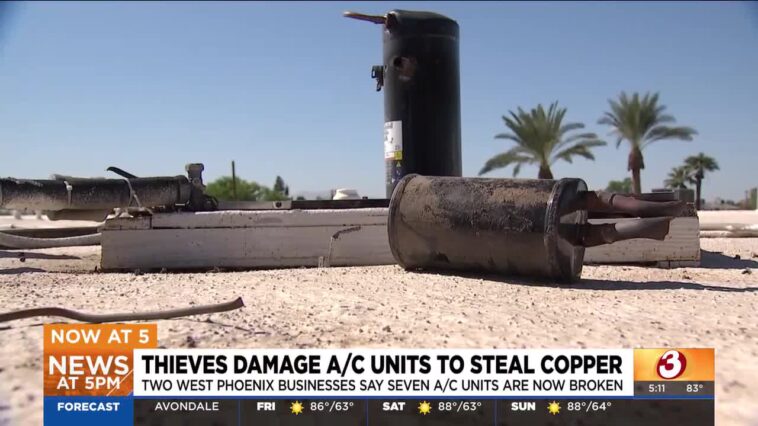
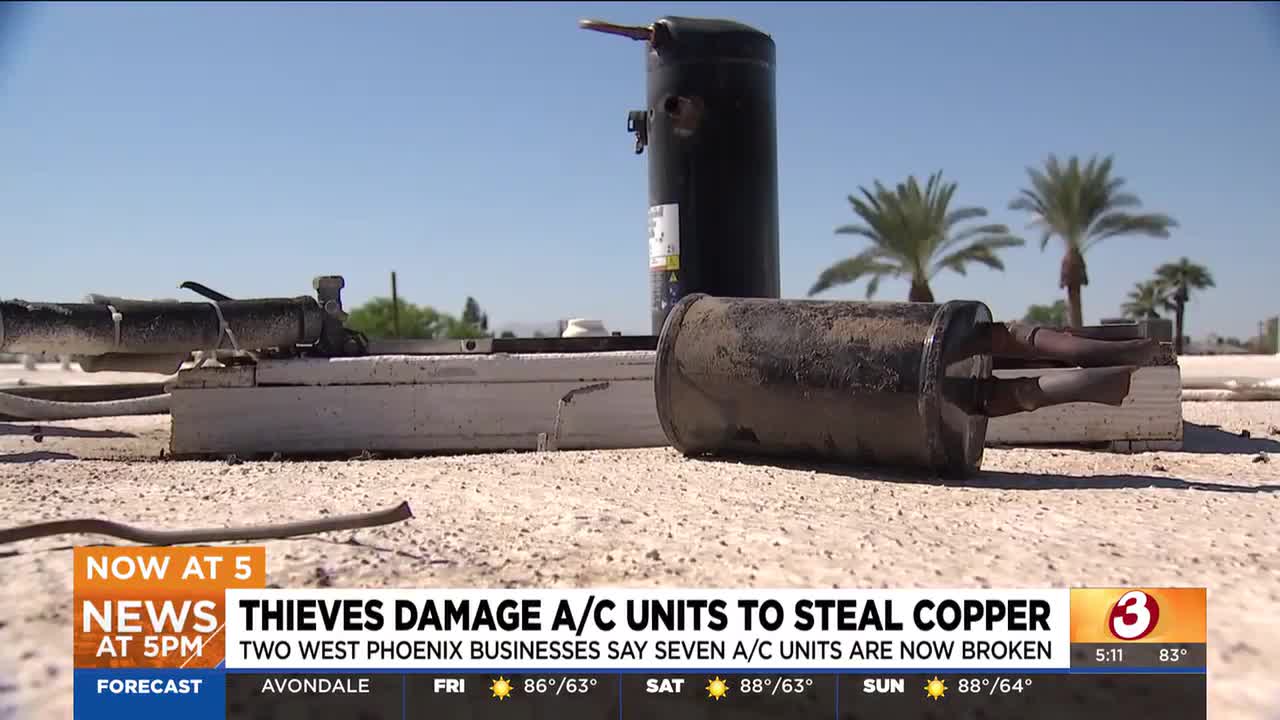
In recent times, small business owners in Phoenix have been facing a growing burden: theft of air conditioning units and copper components. This unsettling trend is not just a financial blow but a legal and practical challenge. Homegrown businesses, such as neighborhood candy shops and local service providers, are squeezed by these brazen acts of criminal behavior. In this opinion editorial, we take a closer look at the situation, examine the tangled issues surrounding property damage, and discuss how the legal system can handle these nerve-racking repercussions.
Businesses in the heart of Phoenix are struggling through the twists and turns of a changing environment. The thefts, which recently left two small enterprises with tens of thousands of dollars in damages, underscore how such crimes go far beyond just a monetary hit. They create an atmosphere of uncertainty and leave owners scrambling to protect their perishable goods, employees, and community stature.
Assessing the Impact: Financial and Legal Ramifications
At the center of the recent incidents in Phoenix stand two local establishments. One is a modest candy shop whose colorful exterior belies the hidden problems caused by the loss of three rooftop air conditioning units. The other is a business specializing in plaster work on building exteriors, confronted with both missing AC units and stolen copper parts. The financial cost is overwhelming, with repair and replacement estimates hovering around $20,000 for the former and $50,000 for the latter.
This situation is loaded with issues, not merely because of the immediate repair costs but also due to the indirect economic losses suffered when essential equipment is lost or compromised. Refrigerated or otherwise perishable items, for instance, face accelerated spoilage when temperature control is disrupted. Legal recourse in these cases is complicated; small business owners must quickly figure a path through tangled issues such as insurance claims, police investigations, and potential civil litigation.
One of the key challenges is that theft of copper is particularly lucrative for criminals, while its impact on independent entities creates a series of tricky parts for insurance providers. These situations require owners to dive in and figure a path through not only the financial fallout but also the legal fine points that determine their ability to recover lost property and secure compensation.
Beyond the direct monetary value of the stolen goods, the ensuing legal battles and recovery complications serve as a cautionary tale for small enterprises operating in urban environments. Such instances shed light on the delicate balance between community safety and the ever-present risk of criminal exploitation.
Legal Framework for Addressing Property Damage and Theft
Property damage and theft in a bustling urban landscape like Phoenix are full of problems that require a solid legal game plan. The law is clear: the deliberate stealing of business assets is a criminal offense. However, the legal system often encounters little nuances that complicate matters. Evidence collection, victim statements, and even evolving municipal policies must be taken into account when the court sets out to charge and try offenders.
Business owners facing this type of crime need to understand several key legal points:
- Burden of Proof: Prosecutors must rigorously prove that the accused deliberately stole the AC units and copper, a process fraught with subtle details that require thorough investigation.
- Insurance Claims: While property insurance may help cover the costs of damage, the fine points of policy language can result in complicated claims disputes.
- Civil Remedies: Victims can pursue lawsuits in addition to the criminal process, seeking damages to cover losses, which might include lost business income and disruption costs.
In practice, the thefts underscore the need for precise legal measures. It can be overwhelming to sift through the similar yet slightly different statutes that govern property crimes and vandalism. The situation also highlights that the modern legal system must work more closely with community stakeholders to identify the underlying causes and develop an effective strategy for holding criminals accountable.
In many ways, these cases expose the small distinctions in law enforcement tactics. For instance, one major challenge is evidence gathering in a busy urban locale, where potential witnesses are often dispersed and shrouded in confusion. The resulting legal outcomes can be a mixture of hope and frustration for the community.
Safety Measures and Urban Policy: Addressing the Root of the Problem
Recent thefts in Phoenix highlight a broader problem that is riddled with tension among the community and legal officials. Urban beautification policies – such as removing deterrents like barbed wire from storefronts and business premises – may be good for aesthetics, but they inadvertently create opportunities for criminal vulnerability.
Local authorities and city officials must find a path through these competing interests: the desire for a pleasant urban environment and the undeniable need for substantial security measures, especially for small enterprises that are prime targets. Modern urban policy now demands innovative solutions that make security an inherent part of the city’s redevelopment process.
The primary questions include:
- How can the city protect local businesses without compromising the overall urban landscape?
- What practical steps are available to small business owners to help secure their properties?
- Are there community-based initiatives or legal reforms that can bridge the gap between beautification and security?
Addressing these questions could involve the design of security programs that facilitate connections between local business owners and law enforcement, such as neighborhood watch programs, smart surveillance, or even subsidized security infrastructure improvements. Engaging experts and community leaders in the discussion is critical in carving out a balanced approach that blends aesthetics with safety.
This discussion further highlights the off-putting challenge of maintaining community cohesion while ensuring that safety and property protection are paramount. When security measures are seen as intrusive or at odds with community values, many business owners end up in a situation where they must make concessions. In the specific cases noted in Phoenix, owners are left to dodge the financial nightmare while also coping with new policy restrictions.
Exploring Insurance and Financial Remedies for Crime Victims
One of the busiest topics in the aftermath of these thefts is figuring out what to do with insurance claims after experiencing such losses. Insurance policies are a key part of how businesses manage risk, but they are not always straightforward. Faced with the urgent need to replace stolen equipment and safeguard perishable inventory, affected businesses have to act fast. Their approach involves processing insurance claims that are sometimes full of problems and replete with confusing bits.
Several features of insurance policies can complicate the process:
- Coverage Limits: Many policies have upper limits that may not fully cover the total cost of replacing specialized equipment.
- Deductibles and Claim Procedures: The process of filing a claim is often riddled with off-putting steps and demands a close look into all the documented evidence.
- Exclusions and Fine Print: The nitty-gritty details of insurance agreements can result in disputes about what exactly is covered.
A table summarizing these key insurance challenges might help illustrate the situation:
| Aspect | Potential Hurdles |
|---|---|
| Coverage Limits | May not meet the full repair or replacement cost |
| Deductibles | High deductibles can leave businesses paying out of pocket |
| Claim Documentation | Complex procedures and the need for thorough evidence |
| Exclusions | Ambiguous language that might limit the claim’s success |
For those facing similar issues, it is essential to work closely with insurance professionals and legal advisors to help untangle the confusing bits of policy language. Given the nerve-racking pace at which businesses must assess damage and recover operational capacity, every minute counts in resolving these financial disputes.
Legal Recourse: Steps Small Business Owners Can Consider
When a crime strikes, knowing which legal steps to take is key. For the small business owners affected by these thefts in Phoenix, there are several legal avenues to explore that can help mitigate the lingering impacts. Even when the path is full of problems, a careful, methodical approach can assist owners in making things right.
The following are essential legal steps to consider when dealing with incidents of theft and property damage:
- Filing a Detailed Police Report: Documenting the incident in detail is crucial. A well-prepared report aids investigators and improves the likelihood of catching the culprits.
- Consulting a Legal Expert: Because property theft cases have many tricky parts, seeking legal advice from professionals experienced in criminal and property law is super important.
- Reviewing Your Insurance Agreement: Take the time to poke around in your policy documents to fully understand your coverage and any limitations or conditions that might apply.
- Exploring Civil Remedies: If insurance or police recovery efforts fall short, pursuing civil litigation might offer a route for compensation.
Keep in mind that every legal case often has its own unique twists and turns. Therefore, establishing a clear plan of action quickly can help reduce the burden on business owners who might already be overwhelmed by the situation. While legal battles can be nerve-racking and complex, a direct approach can often provide the most tangible form of redress.
Community Safety and Collaborative Efforts with Law Enforcement
Beyond the courtroom and insurance boardrooms, there is a community-level response to consider. In an environment where small business owners are increasingly feeling the pressure from escalating crimes, bridging the gap with law enforcement is essential. Working through these issues collaboratively has become a key strategy for advocating safer neighborhoods and effective crime prevention measures.
Some positive steps that communities can take include:
- Establishing local watch programs where business owners and residents share observations and report suspicious activities.
- Implementing modern security approaches such as enhanced lighting, surveillance cameras, and alarm systems that are designed to deter theft.
- Facilitating regular meetings between local law enforcement and business communities to discuss recurring issues, and strategize on practical solutions.
These community efforts represent a practical way for people to steer through the challenging parts of urban crime. The small twists in policy, along with off-putting legal and insurance steps, can be effectively managed when the entire community gets involved. It is a reminder that combating property theft requires an integrated approach, combining legal action with community solidarity.
Urban Redesign and Its Unintended Consequences
In recent years, urban policy in cities like Phoenix has focused on beautification projects and urban redesign. While such initiatives have many bright sides, such as improving public spaces and community aesthetics, they can have some nerve-racking unintended consequences. Removing deterrents like barbed wire might create a more welcoming environment, but it can also provide offenders with easier access to business premises.
This challenge exposes the tangled issues that urban planners and legislators face when balancing a pleasing cityscape with the critical need for security. On one side, a vibrant, open urban environment can bolster local business growth and promote community spirit. On the other, it may require extra precautions that can appear intimidating or even overwhelming for small business owners, who already operate on narrow margins.
A careful reconsideration of urban design policies is critical. There are several ways to balance these needs:
- Smart Security Integration: Adding discreet but effective security measures that blend well with modern design can protect businesses without sacrificing urban beauty.
- Community Consultation: Engaging business owners and residents in the planning process can lead to more adaptable security designs that work for everyone.
- Legislative Adjustments: Revisiting restrictions on traditional deterrents, such as barbed wire, for businesses that face unique security risks might provide the much-needed balance between aesthetic and safety.
By finding your way through these competing priorities, city leaders can help ensure that efforts to beautify the environment do not come at the expense of public safety or the financial stability of small businesses.
Evaluating the Broader Economic Impact on the Local Community
The financial blow inflicted by these thefts does not stop with the immediate business owners. The broader economic implications for the local community are equally significant. When a neighborhood’s small businesses are exposed to such nerve-racking criminal trends, the ripple effects can be substantial and far-reaching.
Some of the broader impacts include:
- Job Losses and Reduced Economic Activity: As businesses struggle to recover lost assets, layoffs or reduced operating hours could follow, affecting local employment.
- Increased Insurance Premiums: A rise in theft-related claims could lead insurers to increase premiums, making it even more challenging for small businesses to manage expenses.
- Deterioration of Trust: Both customers and vendors might become hesitant to engage with businesses that appear vulnerable, leading to a drop in overall community business health.
The following table outlines these economic impacts more clearly:
| Economic Impact | Description |
|---|---|
| Job Losses | Potential layoffs or reduced business hours affecting local employment |
| Insurance Costs | Increased premiums as a result of higher claim rates |
| Consumer Confidence | Diminished trust in local security raising concerns among patrons |
| Business Viability | Long-term financial instability that can lead to closures |
The economic ripple effects of these petty yet damaging crimes show that the problem is far from isolated. Instead, it is intricately tied to the broader health of Phoenix’s urban economy. As small businesses are fundamental to community identity and local commerce, ensuring their protection is a super important task for both local governments and civil society.
Digging Into the Hidden Complexity of Property Theft Cases
Every time a theft occurs, it is not just an isolated criminal event but a multifaceted legal and financial ordeal. The case of the Phoenix businesses highlights many fine shades that make up the real-world scenarios in property crime cases. Business owners must get into discussions about risk mitigation, internal security measures, and pro-active legal safeguards much earlier than ever before.
The hidden complexity of such cases can be appreciated by considering the following factors:
- Evidence Collection: Urban settings can obscure clear evidence, making it tricky for law enforcement to pinpoint culprits. Surveillance footage, tracking stolen materials, and witness testimonies form only some of the subtle parts of building a solid case.
- Legal Ambiguities: With property crimes intersecting with municipal codes, insurance policies, and federal guidelines, business owners often find themselves in a labyrinth of rules that require a careful, deliberate approach.
- Community Impact: Besides immediate financial loss, the incidents can create an atmosphere of tension that ripples through the local business community and reduces trust between residents and law enforcement.
It is a nerve-racking scenario that calls for legal experts, community advocates, and law enforcement to work closely in sorting out these issues. Each stakeholder must be clear about their role to clear up the confusing bits of this multi-layered problem.
Recommendations for Policy and Legal Reform
Given the recurring thefts and the substantial damages incurred by small Phoenix businesses, there is a pressing need for policy reform and enhanced legal remedies. Policy changes should focus on bridging the gap between urban beautification policies and practical security requirements for small companies. Here are some suggestions:
- Enhanced Surveillance Programs: Municipalities can consider subsidizing modern, hybrid surveillance systems for vulnerable businesses, which would blend seamlessly with urban design.
- Revised Zoning and Security Regulations: Local governments could revisit zoning laws and allow certain security measures, previously seen as unsightly, where they are most needed.
- Community Policing Initiatives: Strengthening ties between the police force and small business owners through regular meetings and comprehensive neighborhood watch programs can go a long way in preventing future crimes.
- Legal Workshops and Support: Organizing local seminars for business owners to better understand their insurance policies and legal rights in the event of theft.
These recommendations are not meant to single-handedly solve the problem but rather to boost overall community resilience. Addressing the tricky parts of the issue requires an integrated approach that includes legal action, better urban policy, and community empowerment.
Community Voices: Real-Life Stories and the Path Forward
For many small business owners, stories of property theft are not unfamiliar. They represent a common struggle against overwhelming odds. The impacts are felt personally and collectively as the loss of equipment means a direct threat to a family’s livelihood and a local neighborhood’s economic health.
Business owners have expressed their sentiments in various settings. One proprietor mentioned, “We try our hardest to earn an honest living with dignity, yet each theft leaves us feeling even more exposed and uncertain.” Such voices highlight the human element behind the legal arguments and underline how a crime can affect lives beyond immediate financial loss.
The community’s response can be distilled into a few core sentiments:
- There is a desperate need for real action with close collaboration between businesses and law enforcement.
- The legal process should be more accessible and less intimidating for small business owners who already face many tangled issues.
- Practical solutions, such as better security measures and community outreach programs, are essential to make local neighborhoods safer.
In our opinion, a thriving community is one where its members can work together to clear up tangled issues in both legal and public policy realms. When community members share their experiences, it creates a broader call for reform that benefits everyone.
Weighing the Challenges and the Promising Solutions Ahead
The situation unfolding in Phoenix is a cautionary tale about the potential pitfalls of modern urban life. The difficulties are not only a matter of lost equipment or immediate financial problems; they extend to the public’s trust in urban policy, the effectiveness of insurance systems, and the practicality of existing legal measures. As businesses and authorities get into talks about smarter security, policy adjustments, and community-based solutions, there remains an on-going tension that must be addressed with both sensitivity and urgency.
Some of the more direct challenges that need to be managed include:
- Managing the financial fallout: This includes high insurance deductibles and the out-of-pocket expenses necessary to quickly replace critical equipment.
- Getting around legal ambiguities: There is a need to simplify the legal fine points that affect the recovery process for stolen property.
- Addressing community concerns: Efforts must be made to restore confidence among residents and business owners alike, ensuring that the legal and civic systems are truly supportive.
In essence, while the recent thefts are undeniably overwhelming for the individuals directly involved, they also serve as a catalyst for wider societal change. They reveal subtle parts of the ongoing conflict between urban policies aimed at beautification and a pragmatic approach to public safety, pushing city leadership to consider a broader spectrum of needs.
Making Sense of the Twists and Turns: A Call for Collaborative Action
As we take a closer look at the situation, it becomes clear that there is no single, one-size-fits-all solution. Instead, the approach must be multifaceted and informed by ongoing dialogue among legal professionals, policy makers, business owners, and community residents. When every stakeholder figures a path through these intertwined challenges, there is potential for significant progress in protecting small businesses and strengthening the local economy.
Action points for moving forward include:
- Developing a robust legal framework that simplifies the process for small businesses to claim damages.
- Encouraging enhanced security technology that integrates well with urban design, ensuring that beautification projects do not compromise safety.
- Establishing community task forces that directly interface with law enforcement to report suspicious activity and provide timely intelligence.
- Promoting public-private partnerships designed to offset the risks associated with property theft and provide better recovery resources.
Each of these measures, while not a complete fix, represents a step in a direction that values community safety and legal fairness. Their implementation would not only deter opportunistic crime but also help mitigate the intense financial scars left in the wake of such incidents.
Conclusion: A Collective Responsibility to Secure Our Urban Future
The recent spate of thefts in Phoenix is a vivid reminder of the challenges small businesses face in modern urban environments. Beyond the immediate damage and financial loss, these incidents are a call to action for improved legal frameworks, insurance practices, and community-based security measures. Business owners, local officials, and law enforcement must work together to figure a path through the tangled issues that have arisen, venturing beyond the immediate losses to address broader challenges within the urban landscape.
Considering the hidden complexities of property theft cases, as well as the direct effects on local economies, it is essential that future urban policies both respect the aesthetic aspirations of community beautification and incorporate protecting mechanisms that secure business assets. When we see local owners dealing with overwhelming challenges just to maintain because of a few missing units and stolen copper, it is a stark sign that better and more accessible legal and policy support is needed.
This article, while focused on the particular incidents in Phoenix, should resonate with any community facing similar issues. Only through collective effort, legal reform, and community-based action can we hope to overcome these tricky parts of urban crime and rebuild trust in the systems meant to protect us. As we debate and encourage policy innovations, a unified voice calling for change can transform a tense situation into an opportunity for lasting improvement.
In the end, the safety and survival of our local businesses are intertwined with the very fabric of our communities. It is up to all of us—business owners, policymakers, legal professionals, and residents—to get into the conversation and actively work toward a future where beauty does not come at the expense of security, and where every act of theft is met with informed legal and communal challenge. By doing so, we can steer through these challenging times and lay the groundwork for a more resilient and secure urban landscape.
Originally Post From https://www.azfamily.com/2025/10/24/ac-thieves-hit-phoenix-small-businesses-leaving-thousands-damages/
Read more about this topic at
PHOTOS: Thieves cut through roof, steal hundreds of …
Martin County Sheriff’s Office investigating rooftop sneaker …